
The Role of Diesel Fuel Delivery in Emergency Preparedness
Diesel fuel delivery stands as a cornerstone in emergency preparedness, offering a reliable source of energy for critical operations during crises. It plays an integral role in powering essential services, including hospitals, transportation systems, and communication networks, all of which are vital in maintaining a functioning society when disasters strike. Diesel fuel’s importance is magnified in emergencies due to its availability, storage capability, and efficiency compared to other fuels. This article examines how diesel fuel delivery supports not only immediate response efforts but also enhances resilience and recovery strategies. Understanding the manifold roles of diesel fuel allows governments, businesses, and communities to plan more effectively for future crises.
Understanding Diesel Fuel and Its Importance in Emergencies
Diesel fuel is a type of fractional distillate of petroleum fuel oil used in diesel engines, which are known for their efficiency and longevity. It is derived from crude oil and composed mostly of alkanes, hydrocarbons, and aromatic hydrocarbons, which enable its energy density and combustion efficiency. Diesel engines are a preferred choice for many heavy-duty applications such as trucks, buses, and machinery due to their robustness and fuel economy. In emergencies, diesel fuel’s energy density ensures prolonged operation of emergency equipment and vehicles. Understanding its fundamental properties is crucial for assessing its role in emergency scenarios.
Utilizing Key Components of Diesel Fuel in Critical Infrastructure
Diesel fuel is indispensable in powering critical infrastructure such as backup generators, which provide electricity during power outages. In emergencies, the continuous operation of medical facilities, water treatment plants, and emergency response units relies heavily on diesel-powered systems. Diesel fuel also powers various vehicles, including fire engines and ambulances, which are essential for rapid response and recovery efforts. The sturdy supply chain of diesel further ensures availability during emergencies, whereas other fuels might face shortages. Thus, diesel fuel is key in supporting infrastructures that are vital to community safety and resilience.
Taking Advantage of Diesel over Other Fuels in Emergencies
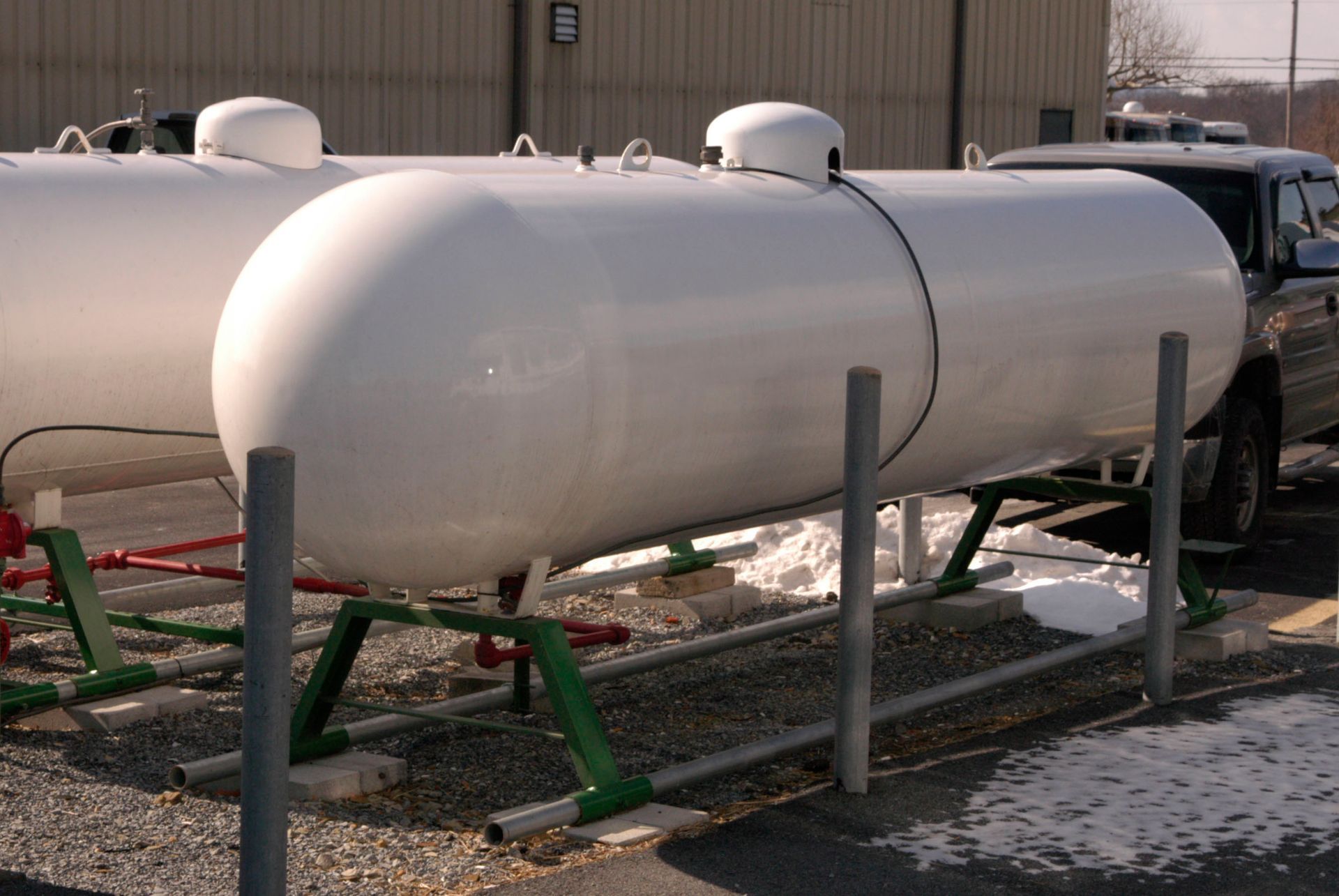
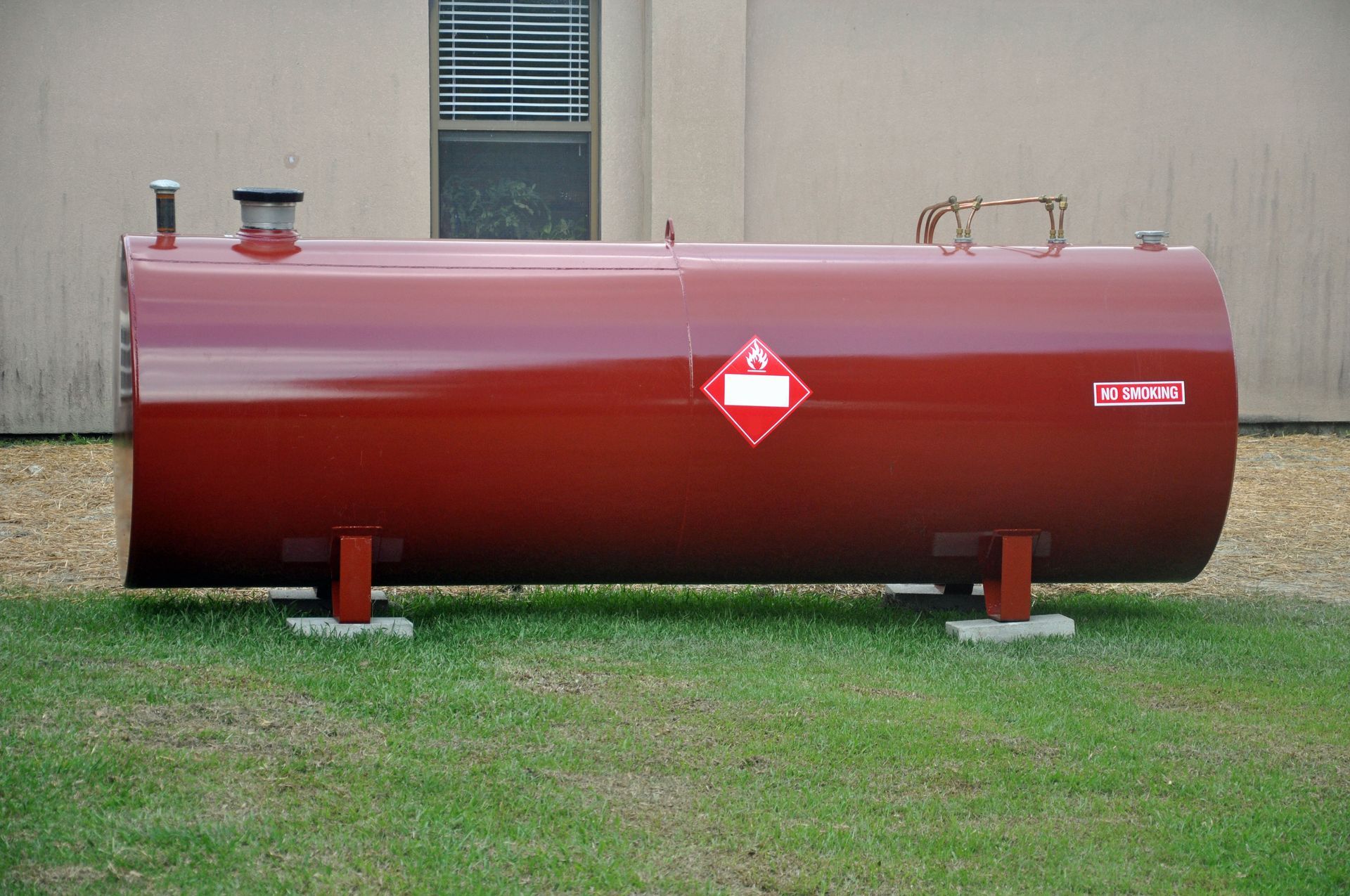
Diesel fuel offers several advantages over other types of fuel when it comes to emergency preparedness. Its high energy density allows for longer run times of engines and generators, meaning fewer refueling interruptions during critical operations. Unlike natural gas, which requires a continuous supply pipeline, diesel can be stored on-site for extended periods without degradation. This storage capability ensures that diesel remains available even when fuel supply chains are disrupted by emergencies. Moreover, diesel engines are known for their durability and can operate efficiently in a wide range of environments and conditions.
Optimizing Diesel Fuel Efficiency and Storage Benefits
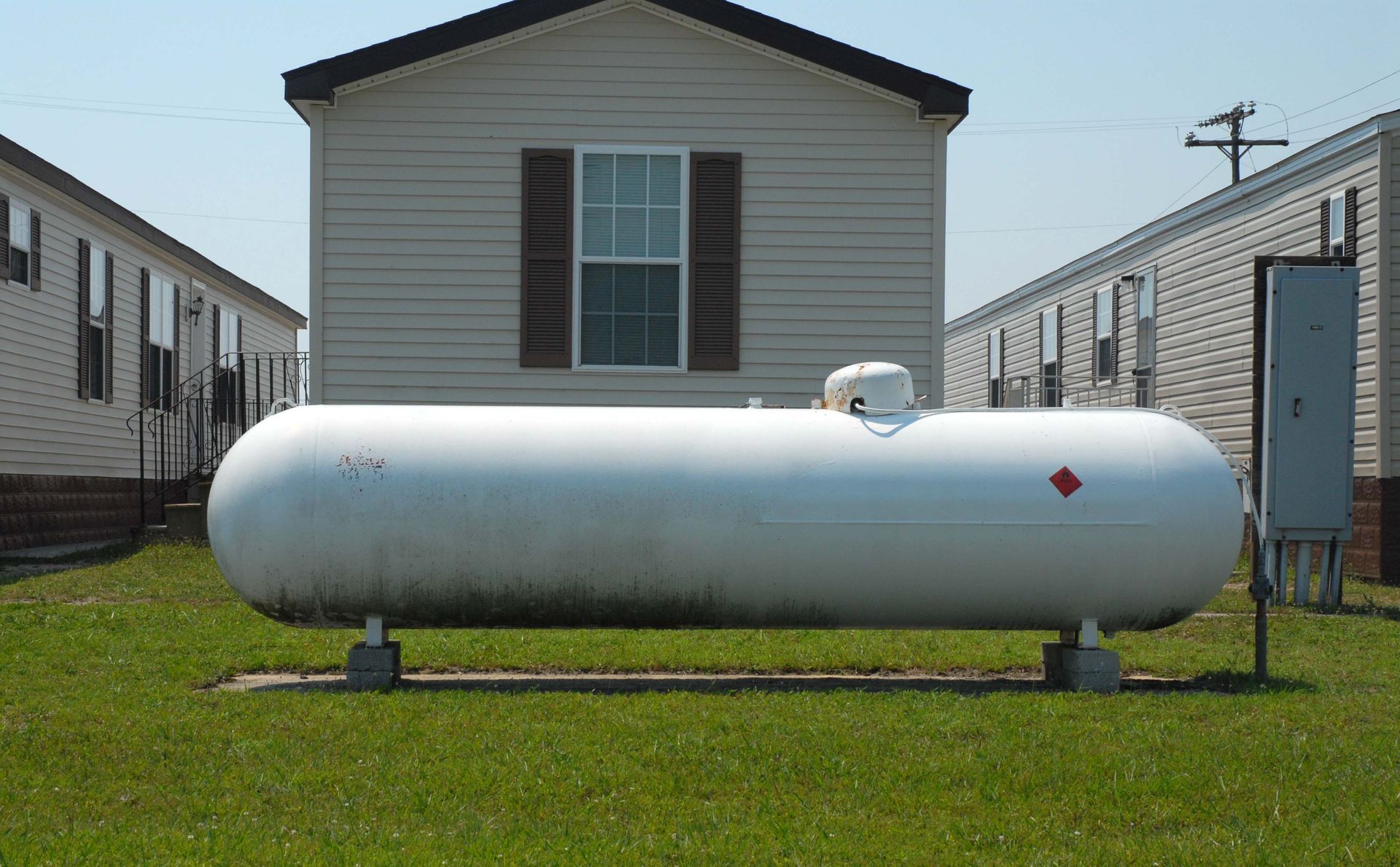
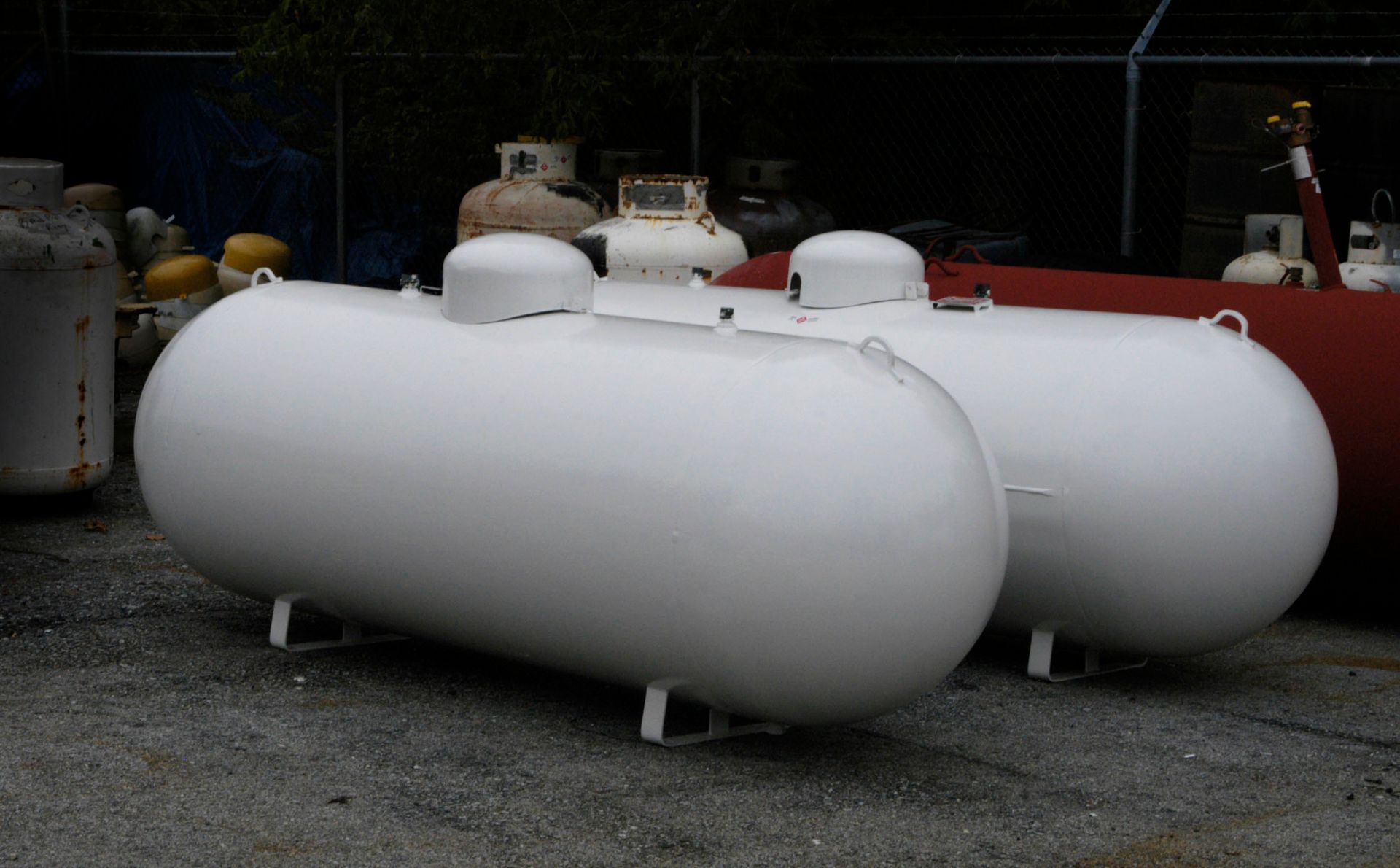
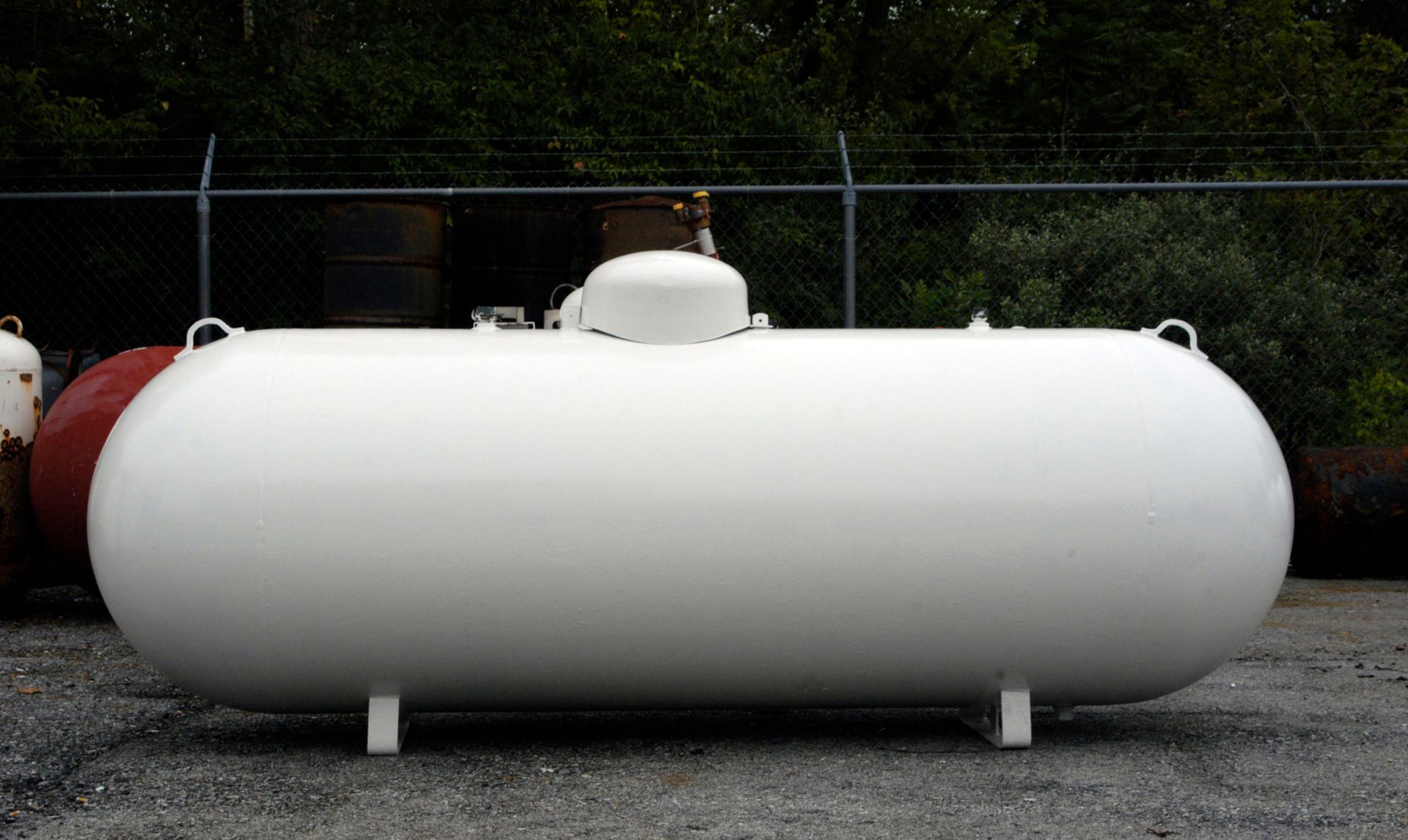
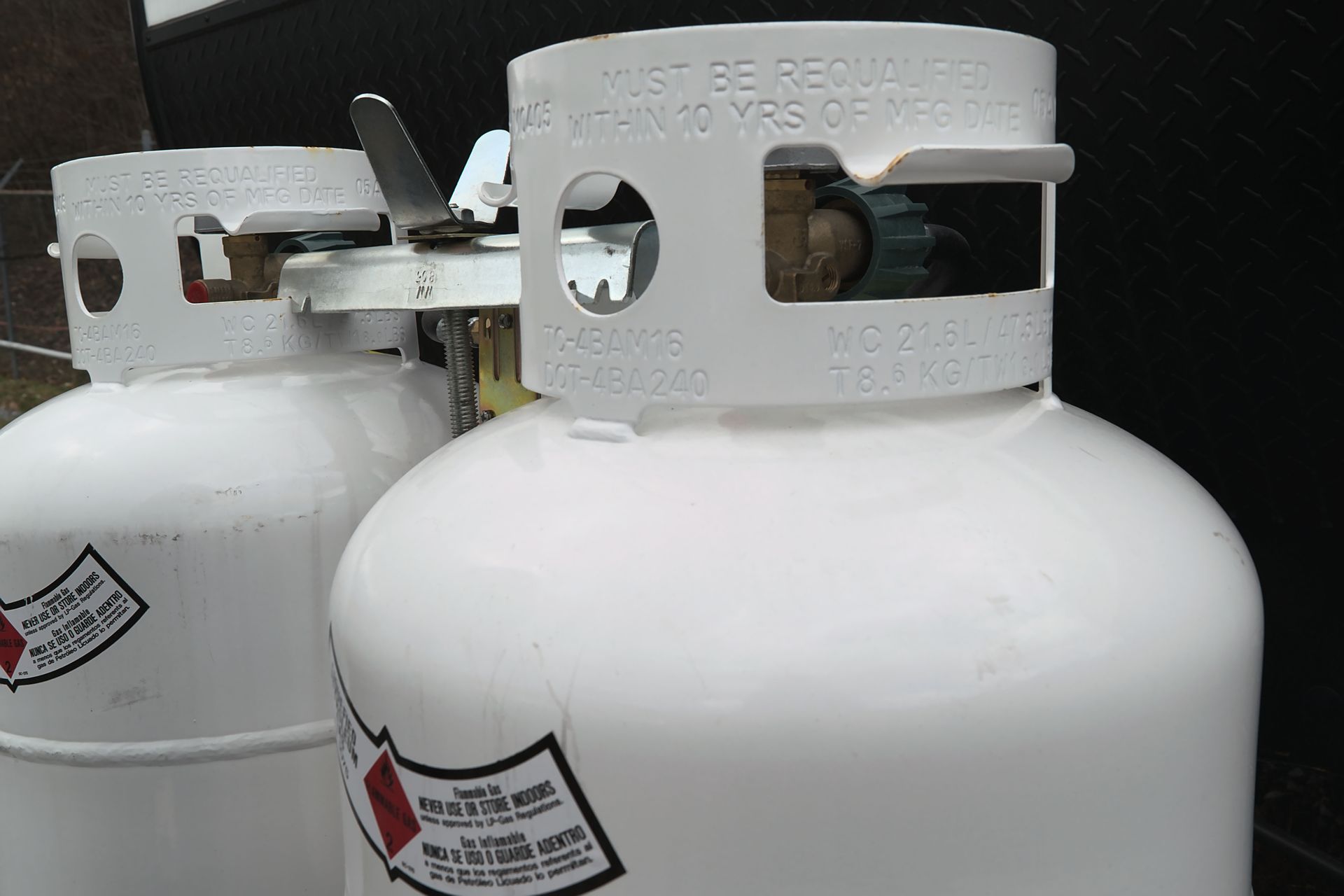
Diesel fuel’s high energy content per gallon makes it a highly efficient energy source, particularly useful in emergency scenarios where resource optimization is crucial. Facilities that utilize diesel fuel for backup generators benefit from the ability to store large amounts of energy in relatively small spaces. This makes diesel ideal for strategic reserves that can be tapped into during extended power outages or supply chain disruptions. Additionally, diesel can be stored for longer durations without significant deterioration, unlike other fuels such as propane, which may require more frequent refueling or exhibit increased volatility. According to East Daley Analytics, propane demand is forecast to increase by 5.7% from 2024 to 2025, with domestic demand up 11% through March 2025 compared to the same period in 2024.
Considering Environmental Regulations
While diesel fuel is crucial for emergency preparedness, it also poses environmental challenges due to emissions of nitrogen oxides and particulate matter. Governments worldwide have established stringent regulations to minimize the environmental impact of diesel engines, driving innovations in cleaner diesel technologies. For instance, the use of modern emission control devices like diesel particulate filters and selective catalytic reduction systems has been promoted to reduce harmful emissions. Balance is key, as the need to ensure sufficient diesel supply during emergencies must be weighed against potential environmental impacts. Policymakers and industries are tasked with integrating such considerations into comprehensive and sustainable emergency preparedness plans.
Using Diesel Fuel Delivery Systems and Supply Chains
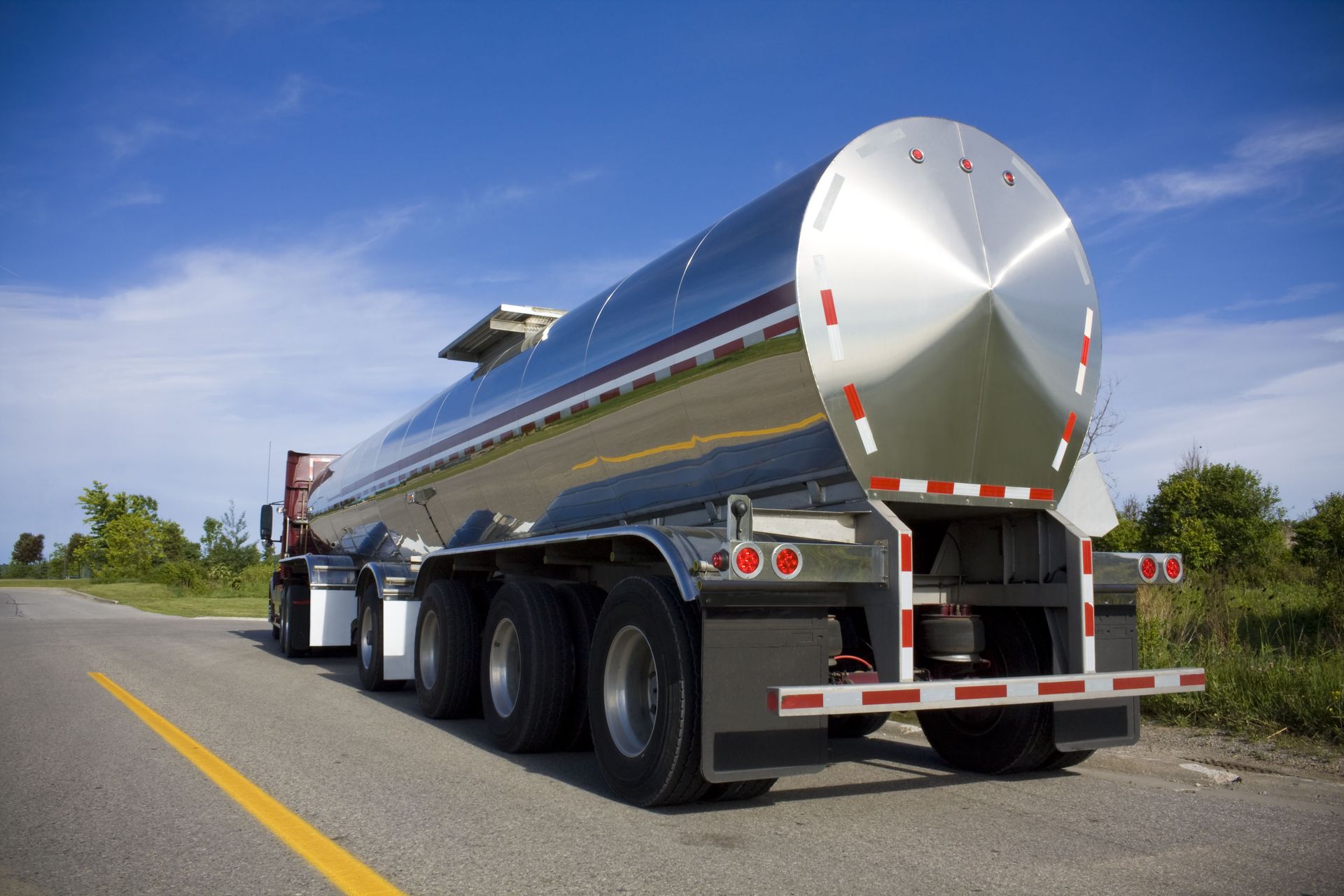
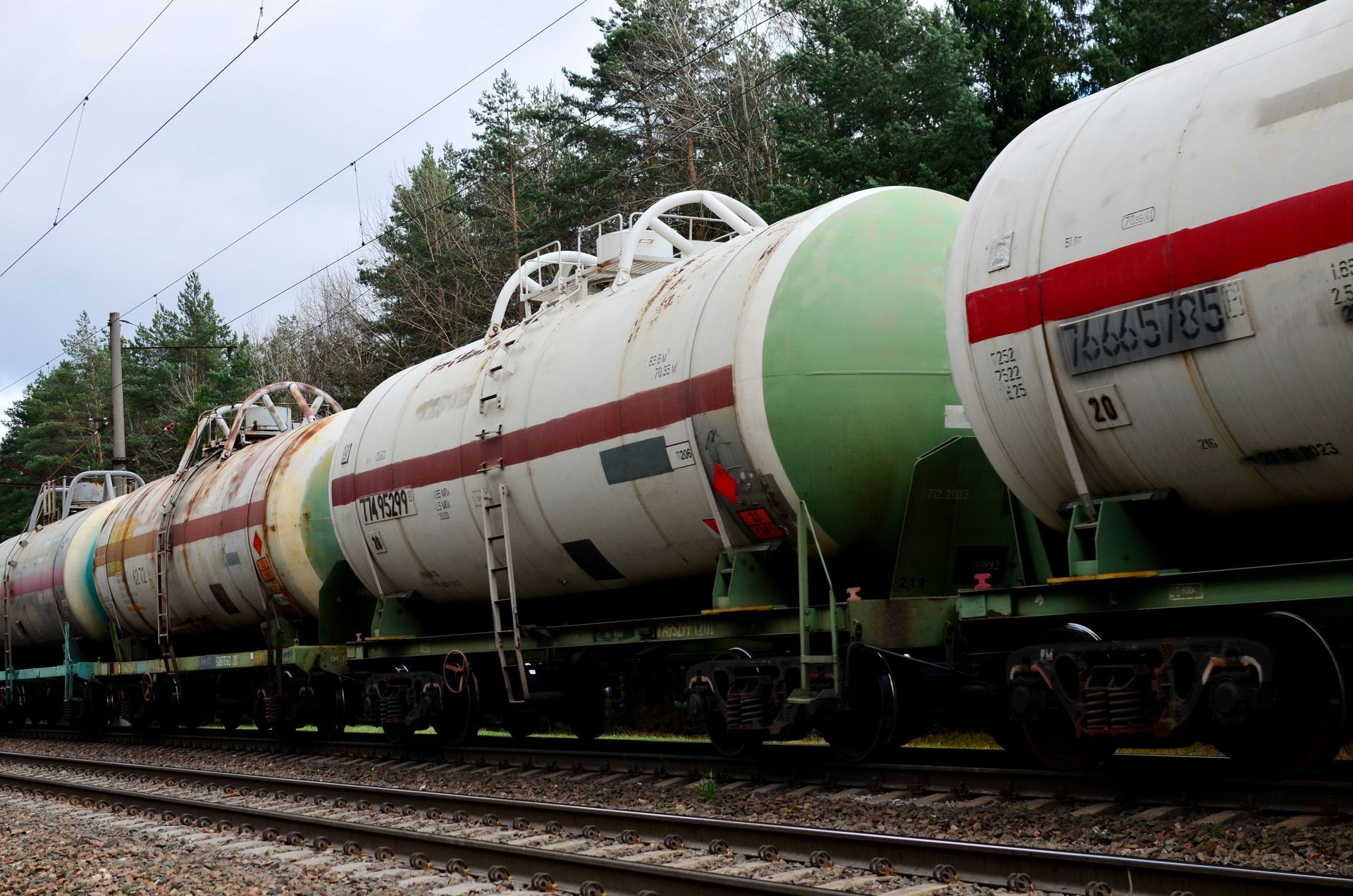
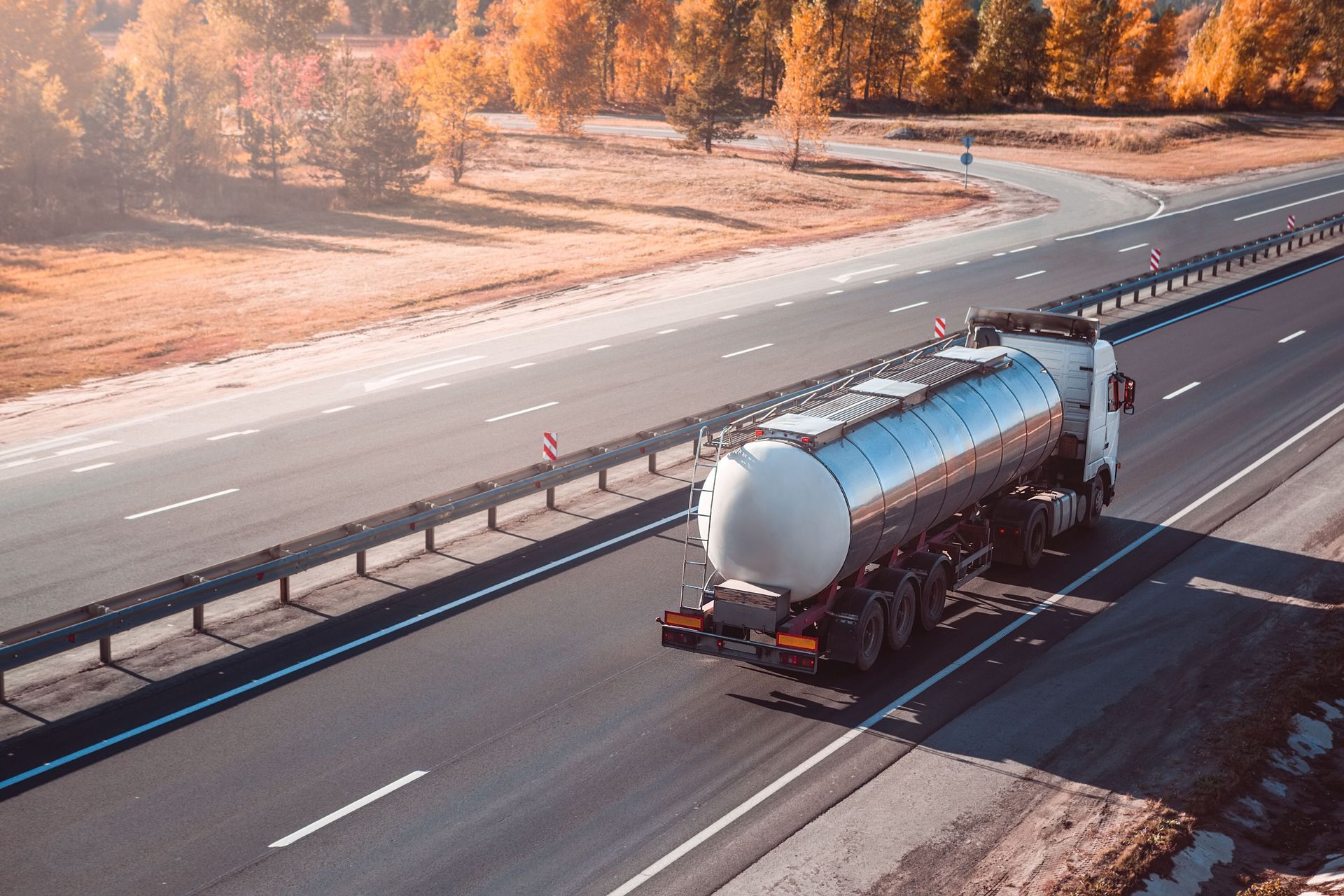
The infrastructure supporting diesel fuel delivery is complex and involves refining, distribution, and storage facilities that work in coordination to meet demand. A network of pipelines, trucks, and storage depots ensures the timely distribution of diesel fuel to various sectors like healthcare, telecommunications, and logistics. During emergencies, the resilience of this infrastructure is put to the test, requiring contingencies for rerouting and prioritizing critical sectors. Facilities often include strategic reserves, enabling swift supply even when primary routes are disrupted. A robust delivery system is essential to maintain functional continuity across critical services during emergencies.
Discovering Supply Chain Challenges in Emergency Situations
In the face of emergencies, diesel supply chains can be significantly challenged due to infrastructure damage, increased demand, and logistical bottlenecks. For instance, natural disasters like hurricanes or floods can damage fuel depots or disrupt transportation routes, complicating delivery operations. Additionally, sudden spikes in diesel demand can lead to shortages, delaying critical response activities. The ongoing demand and supply analysis is crucial for developing agile supply chains that can adapt to such disruptions. Coordination among government entities, fuel suppliers, and logistics providers is necessary to create resilient and flexible supply frameworks.
Tracking Innovations in Diesel Distribution for Rapid Response
To address the challenges of diesel fuel delivery in emergencies, technological innovations are being pursued to enhance rapid response capabilities. Mobile diesel fuel delivery depots and tanker fleets equipped with GPS and telematics systems enable swift and efficient deployment to areas in need. Additionally, digital platforms are being used for real-time tracking and forecasting diesel fuel needs, allowing for more precise distribution. These innovations help reduce the risk of supply disruptions and ensure timely and efficient fuel delivery. Strategic partnerships and collaborations are fostering further advancements in creating robust, reliable diesel supply chains.
Ensuring Fuel Quality and Reliability
Consistently maintaining diesel fuel quality and reliability is critical for ensuring operational effectiveness during emergencies. Contaminated or degraded fuel can lead to engine malfunctions, hampering emergency response efforts. As part of ensuring reliability, regular testing and maintenance of storage tanks and fuel systems are essential to prevent contamination. Fuel additives and stabilizers are often used to prolong storage life and enhance performance under varying conditions. By prioritizing fuel quality, agencies and organizations can prevent potential operational failures during crucial moments of diesel fuel delivery.
Addressing Security Concerns in Fuel Delivery
The safety and security of diesel fuel delivery chains are paramount, particularly during crises when availability is vital. Security measures, including GPS tracking, video surveillance, and strict personnel access protocols, are deployed to safeguard against theft and tampering. Additionally, comprehensive risk assessments are conducted to identify vulnerabilities and implement mitigation strategies. Policies are continuously evaluated and updated to address emerging threats and regulatory requirements with diesel fuel delivery. Ensuring the security of diesel fuel delivery is integral to maintaining the integrity of emergency response operations.
Powering Emergency Response Equipment
Diesel generators are critical components of emergency power systems, providing reliable electricity during grid failures. Hospitals, data centers, and other essential facilities rely heavily on these systems to maintain operations during blackouts. The efficiency and rapid start-up capability of diesel generators make them ideal for emergency use. Given their importance, regular maintenance and testing of these generators are critical to ensure readiness at any time. By providing a dependable power source, diesel generators enable the continuous operation of vital services and infrastructure during emergencies.
Diesel fuel delivery remains a vital pillar of emergency preparedness, underpinning the continuity of essential services when communities face disruption. Its high energy density, storability, and reliability make it uniquely suited to power critical infrastructure, emergency vehicles, and backup systems during crises. While environmental and supply chain challenges persist, ongoing innovations in cleaner technologies, logistics, and security are strengthening diesel’s role in resilient response strategies. By prioritizing efficient delivery systems, fuel quality, and regulatory balance, governments and organizations can ensure diesel fuel continues to support effective emergency response, recovery, and long-term community resilience. If you need a diesel fuel delivery service, look no further than Garrow Oil & Propane.










Share On: