
3 Benefits of Switching to Propane from Heating Oil
Understanding the shift from heating oil to propane can offer numerous advantages in terms of efficiency, cost-effectiveness, and environmental impact. This article explores various aspects of converting your heating systems to propane fuel and highlights the benefits associated with this change. As more homeowners seek sustainable and economical heating solutions, propane emerges as a preferable alternative for many. The transition not only contributes to reduced heating expenses but also plays a part in decreasing carbon footprints.
1. Why is Propane Fuel More Efficient than Heating Oil?
1.1 Higher Energy Output
Propane fuel is recognized for its superior energy output compared to heating oil due to its high calorific value. This high energy output means that propane burns hotter, thus providing more warmth per unit of fuel. Consequently, households can achieve more effective heating, optimizing energy use without excessive consumption. This increase in efficiency can be especially beneficial for those 4.96 million households in regions heavily reliant on heating for much of the year according to the U.S. Energy Information Administration.
The calorific value of propane exceeds that of heating oil, which contributes to its status as a more efficient energy source. It is this energy density that allows propane systems to operate at peak efficiency and heat homes effectively during the colder months. This efficiency also means fewer fuel deliveries are needed over time, decreasing the overall energy expenditure for a household. Such efficiency gains contribute to greater cost savings and can offset initial conversion costs over time.
Another aspect of propane's efficiency is its ability to quickly achieve and maintain desired temperatures. Due to its higher combustion temperature, propane can bring homes to comfortable warmth faster than heating oil. For the homeowner, this translates to a more responsive heating system that adapts quickly to changing weather conditions. As users experience consistent warmth, they also benefit from the efficient consumption of propane fuel, which drives interest among those utilizing heating oil.
1.2 Cleaner Burning Properties
One of the compelling advantages of propane fuel is its cleaner burning properties, leading to lower production of soot and residues compared to heating oil. When propane is burned, it releases significantly fewer particulates and pollutants, making it an environmentally friendly choice. This means that heating systems using propane require less frequent maintenance and servicing, resulting in lower operating costs over time. For homeowners, this cleaner energy diminishes the risk of costly repairs associated with residue buildup in heating systems.
The reduced soot levels mean better air quality inside the home, which is a crucial factor for families concerned about health and safety. Cleaner burning translates to cleaner air vents and systems, reducing the exposure to harmful emissions typically associated with heating oil. This property of propane is appealing to environmentally conscious consumers aiming to reduce their carbon footprint. Health benefits coupled with sustainability make propane a prudent choice for today's conscientious homeowner.
Beyond the immediate home environment, propane's clean burning nature also benefits the wider atmosphere by reducing emissions. As global greenhouse gas emissions are a pressing concern, the use of cleaner fuels like propane represents a step in the right direction. Through its fewer emissions, propane contributes positively towards reducing the overall carbon footprint compared to conventional heating oil. Households can play an active role in environmental stewardship by opting for propane systems.
2. What are the Cost Differences Between Propane and Heating Oil?
2.1 Initial Conversion Costs
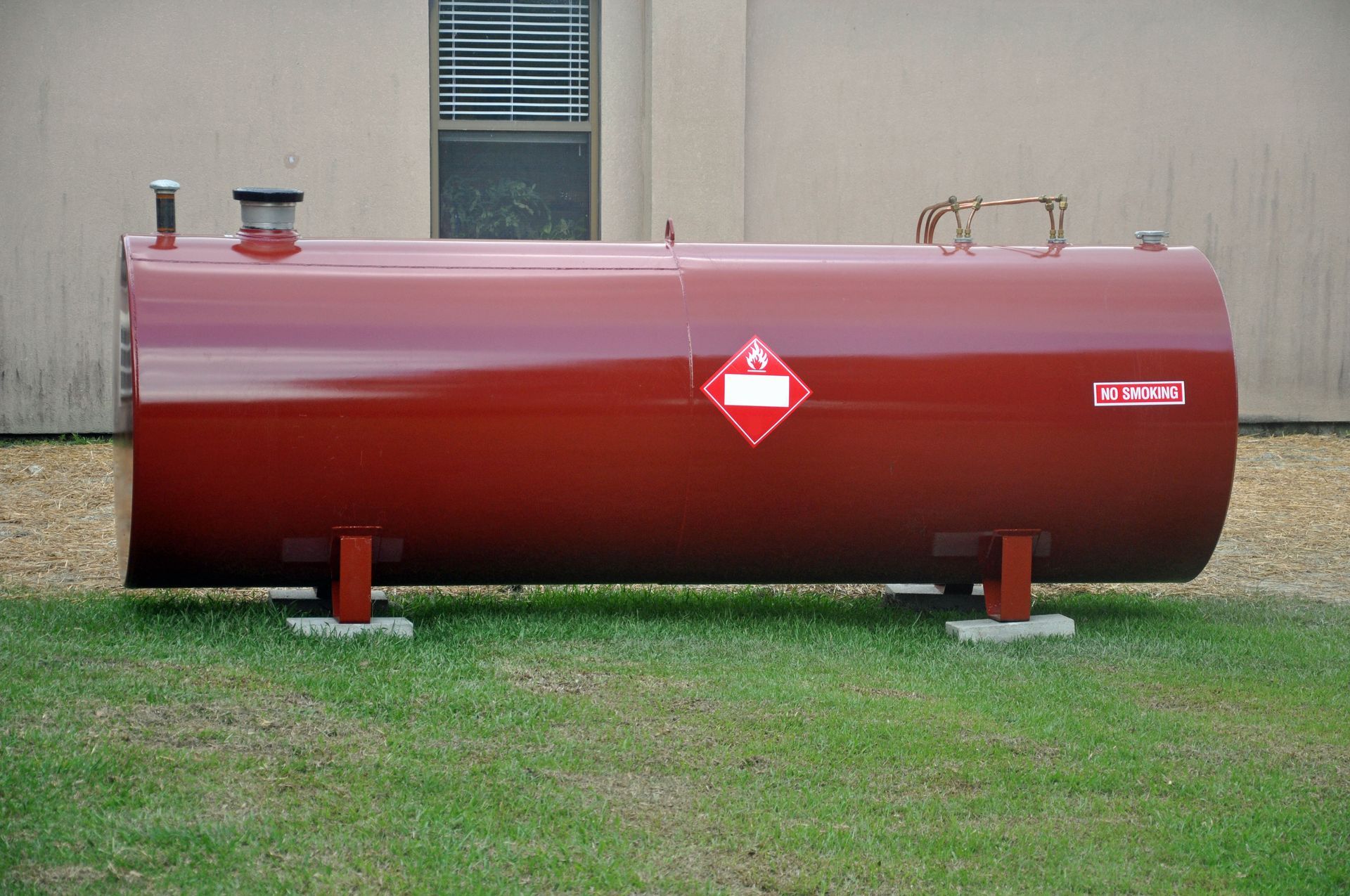
When considering a switch from heating oil to propane fuel, the initial conversion costs are one of the primary considerations. Converting a heating system involves costs related to the installation of new equipment and the removal of existing oil tanks. While the expense can be a deterrent initially, it's important to recognize the long-term savings and benefits propane promises. Financial planning and possible incentives can ease the burden of the upfront expenses, making conversion feasible for many homeowners.
The specific costs for conversion vary depending on the size of the home, the existing system, and local prices for equipment and labor. Despite these variables, investing in propane can lead to notable reductions in energy bills due to the fuel's inherent efficiency. Moreover, modern propane systems are designed to integrate seamlessly with existing residential infrastructure, sometimes reducing the extent of necessary modifications. A planned and budgeted transition can open doors to future savings and improved system reliability.
For homeowners evaluating conversion, the advice of HVAC professionals can facilitate an informed decision-making process. Experts can provide estimates and insights into potential savings and necessary investments, guiding homeowners toward beneficial choices. Additionally, some states and regions offer rebates or tax incentives for home energy efficiency improvements, which can substantially offset conversion costs. Awareness and utilization of such programs can make switching to propane a financially sound decision.
2.2 Price Fluctuations and Market Trends
Heating oil prices can be quite volatile, influenced by global oil prices and geopolitical factors, which can pose financial challenges to households relying on it. In contrast, propane prices tend to be more stable and predictable, partially insulated from the global oil markets. Understanding market trends can help homeowners make informed decisions about their heating choices. By transitioning to propane, these households can mitigate the uncertainty associated with price fluctuations typical of heating oil.
Historically, propane prices have shown less dramatic swings, providing consumers with a more consistent and reliable sense of future energy costs. This stability is invaluable for budgeting, allowing households to plan accurately for their heating expenses. Nonetheless, it's important to remain informed about market conditions and engage proactively with fuel suppliers. Being aware of wider market trends ensures that homeowners can choose contract terms that best suit their financial needs.
As renewable energy sources gain traction, there is an increasing push toward energy sources that offer price stability and reduced environmental impact. Propane's position as a cleaner, more stable option aligns well with these emerging trends. With growing environmental awareness, many energy consumers are prioritizing fuels with less environmental volatility and lesser dependency on imported resources. The decision to opt for propane can be one rooted in future-proofing one's household energy expenditures.
3. How Does Propane Impact Home and Environment?
3.1 Emission Reductions
A key advantage of propane fuel is its capacity to reduce harmful emissions when compared to heating oil. Propane combustion produces fewer pollutants, significantly cutting carbon emissions and decreasing environmental impact. These lower emissions standards make propane an attractive option for environmentally conscious consumers who wish to contribute to a healthier planet. The switch to propane reflects both a practical and ethical consideration for promoting a cleaner, sustainable future.
The use of propane directly translates into reductions in greenhouse gas emissions. As more countries take serious steps towards mitigating climate change impact, switching to propane can support this global initiative. Households making the switch contribute to a broader environmental commitment, helping to drive down the carbon footprint generated by residential heating needs.
3.2 Environmental Safety Protocols
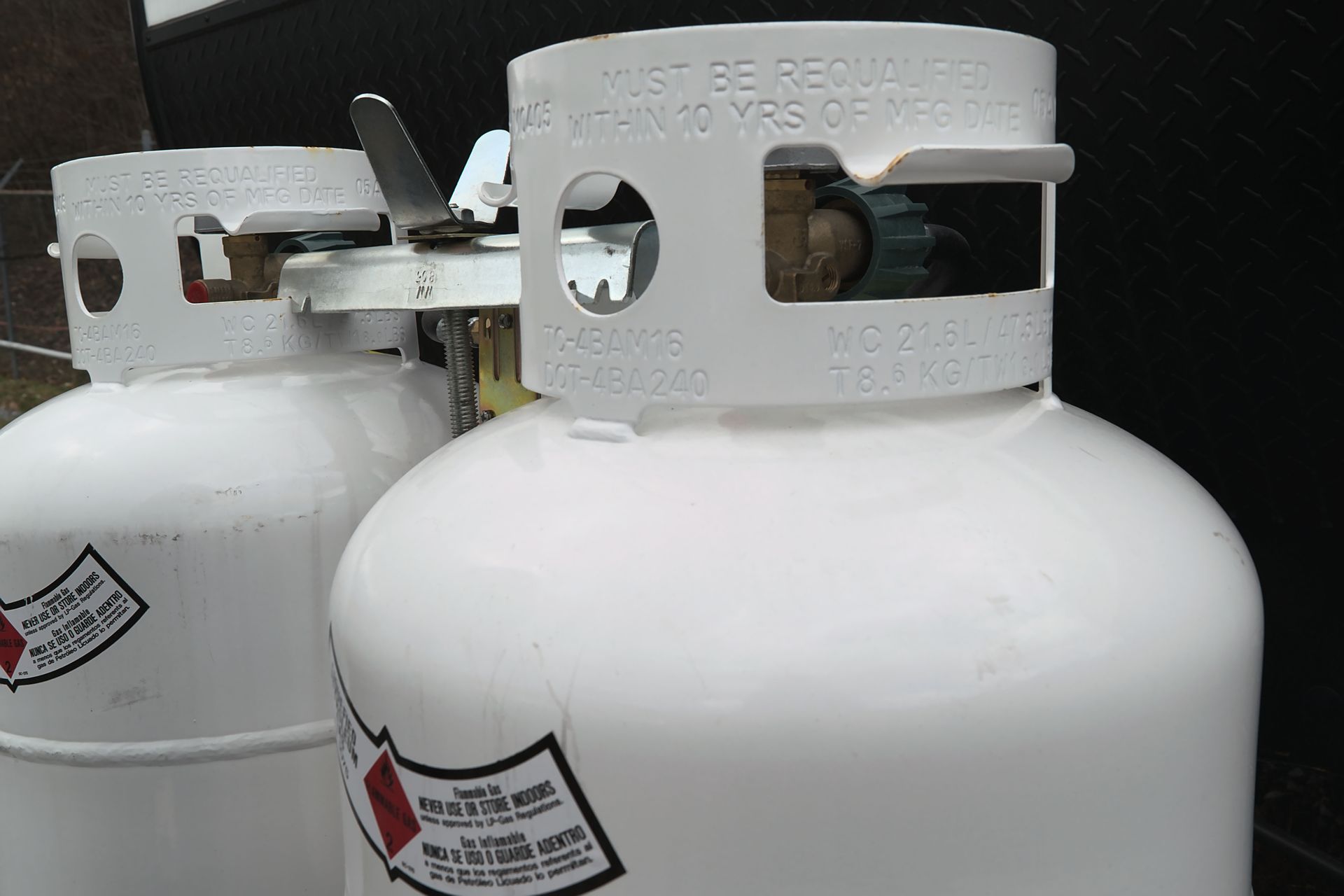
The production and use of propane fuel are governed by robust safety protocols that support its environmentally friendly designation. Propane operations are closely monitored to ensure adherence to safety standards, minimizing risks associated with leaks or environmental damage. Strict protocols ensure that both production and distribution processes align with high environmental and safety standards. These frameworks offer reassurance to consumers about the eco-friendly nature of switching from heating oil to propane.
Consumers benefit from stringent safety measures that regularly include equipment checks and safety audits, aligning with best practices. Such diligent adherence to safety norms ensures that propane tanks and systems operate safely, minimizing any potential environmental or personal health issues. Propane distributors often provide safety information and resources to educate homeowners about proper usage and maintenance of systems. This proactive approach fosters user confidence in the sustainability and security of propane systems.
Switching to propane from heating oil offers a multitude of benefits, including enhanced efficiency, cost savings, environmental advantages, and improved home safety. Propane fuel represents a powerful alternative, gaining traction for its efficient energy delivery and significant reductions in emissions. With comprehensive planning and professional guidance, homeowners can successfully transition to propane, enjoying its reliability and benefits. This change not only leads to better heating outcomes but also plays an integral role in promoting sustainable energy practices for future generations. Reach out to Garrow Oil & Propane today to see how we can help you!











Share On: