
The Incredible Efficiency of Propane
In a world where energy prices are as unpredictable as the weather, finding a fuel source that balances performance with affordability is a top priority for homeowners and business owners alike. Propane has emerged as a frontrunner in this search, offering a unique blend of high energy output and stable pricing. Unlike the volatile spikes often seen in the electricity and heating oil markets, propane gas provides a reliable financial anchor for your monthly budgeting. At Garrow Oil & Propane, we understand that true home comfort isn't just about the temperature on the thermostat—it’s about the peace of mind that comes from knowing you’re using a cost-effective, clean-burning fuel that protects both your equipment and your bottom line.
Cost-Effectiveness of Propane
Propane’s competitive pricing is one of its most appealing qualities for both consumers and businesses. Compared to other fossil fuels, propane offers significant savings while providing the same level of energy output. This cost competitiveness is enhanced by its adaptability to fluctuating energy markets, maintaining affordability. With propane, users are shielded from volatile energy prices, commonly seen with oil and electricity. As a result, choosing propane contributes to stable and predictable energy expenditure, essential for budgeting and financial planning.
In addition to competitive pricing, propane systems benefit from lower maintenance costs, owing to their efficient and clean-burning nature. Appliances and equipment that use propane gas require less frequent servicing, minimizing wear and tear. This translates into reduced operational disruptions and lower long-term costs associated with repairs and replacements. The high reliability of propane systems further enhances these cost-saving benefits, offering peace of mind to users. Consequently, propane is not only a cost-effective choice upfront but also over the lifespan of installed systems.
The longevity of equipment and appliances fueled by propane is noteworthy, providing an extended lifespan compared to those using other fuels. This durability stems from propane's clean combustion, which minimizes residues and deposits that can cause damage. As a result, propane appliances often outperform their counterparts in terms of operational life, furthering cost-effectiveness. Enhancing equipment longevity reduces the need for frequent replacements, contributing to resource conservation. This aspect of propane use aligns with sustainable practices, offering benefits beyond economic considerations.
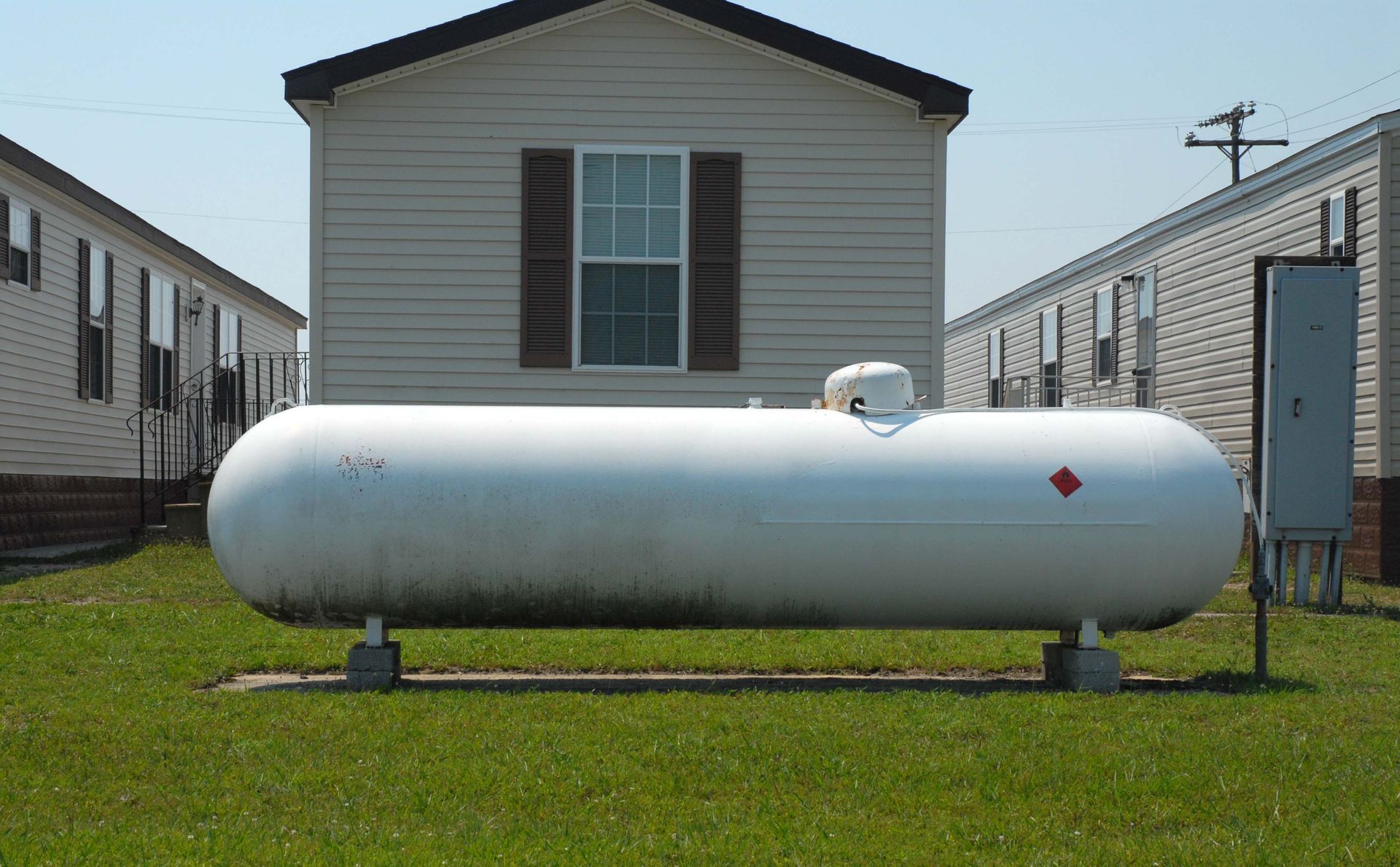
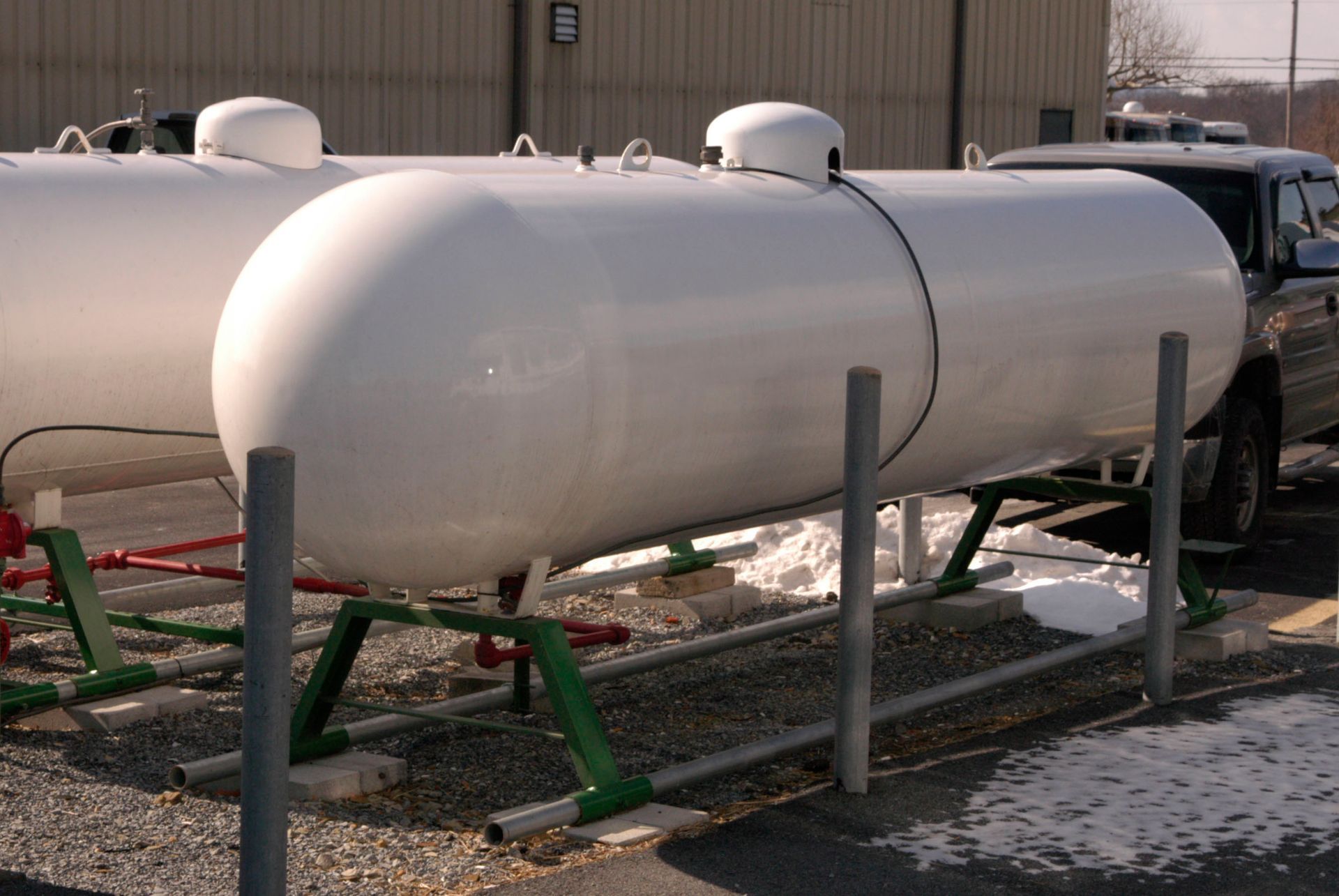
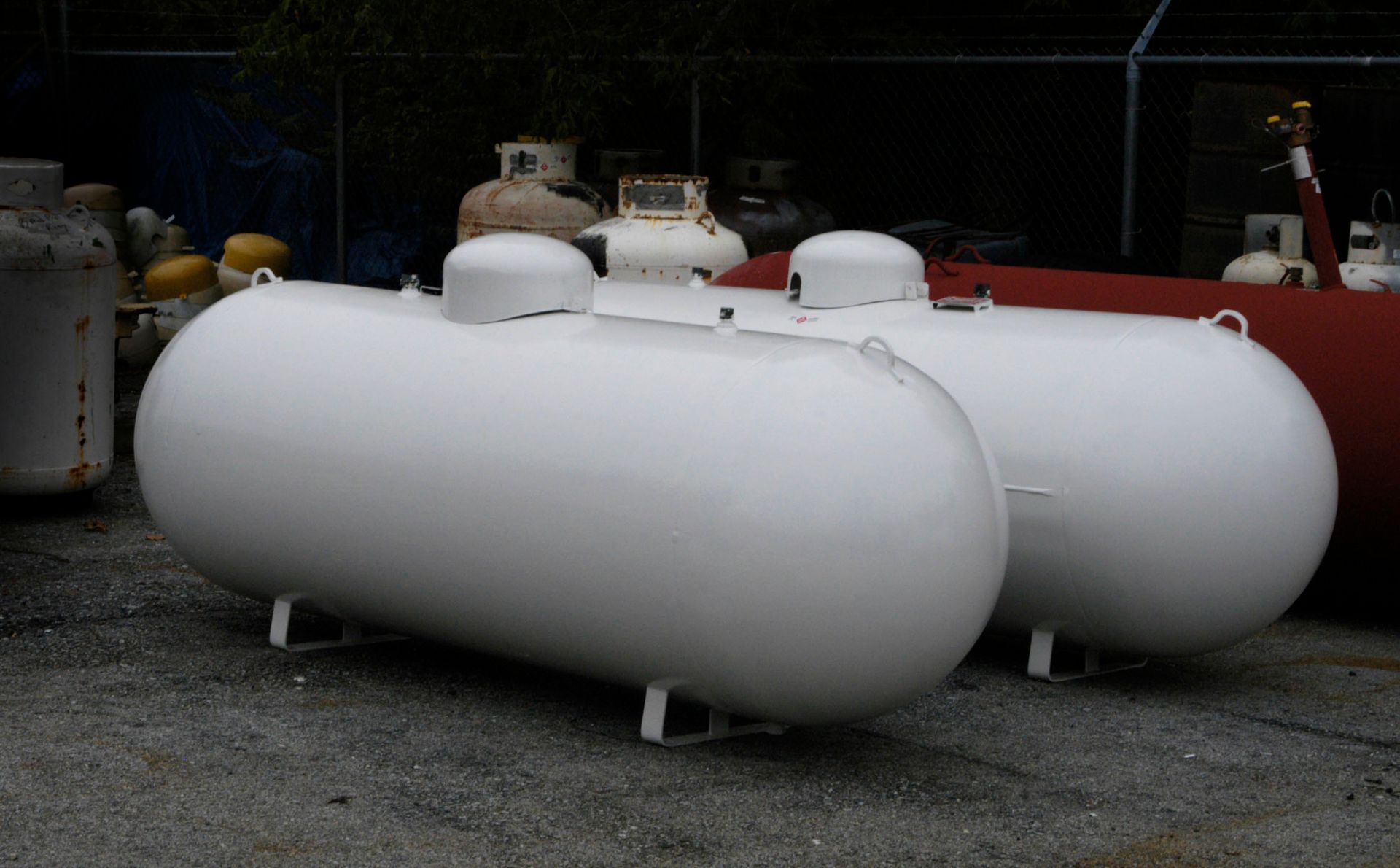
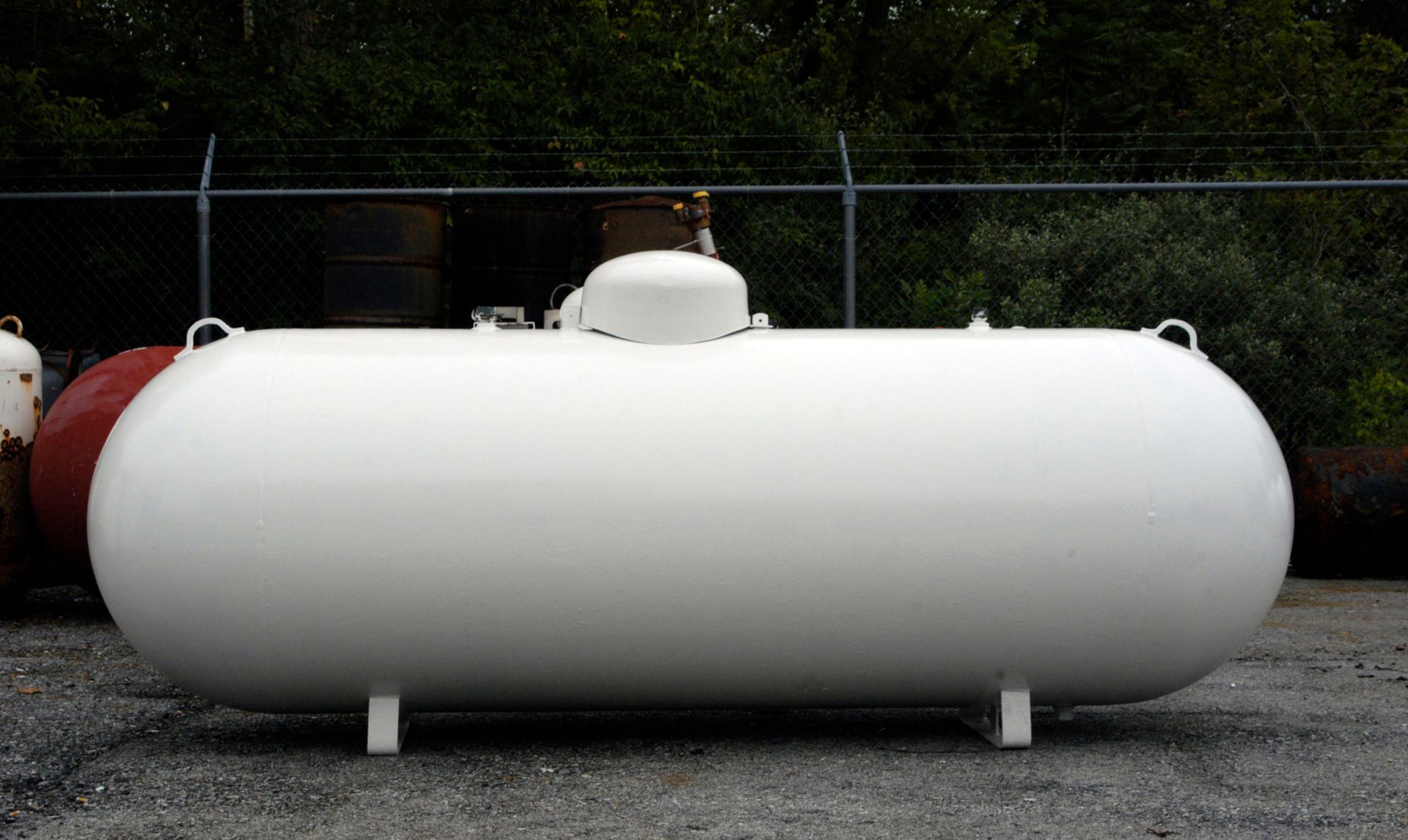
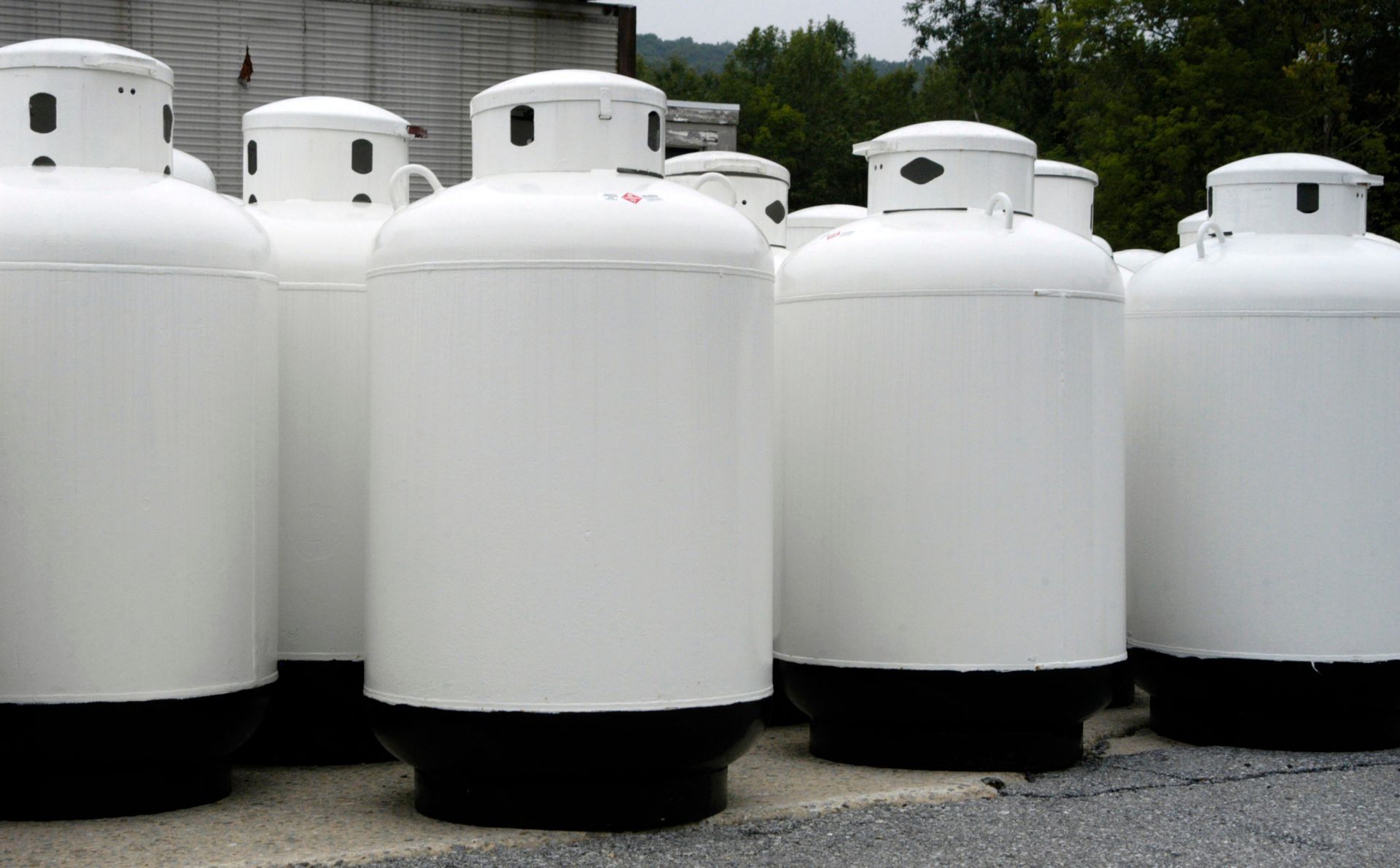
Propane is widely used in heating applications due to its cost savings and energy efficiency. Households and businesses that switch to propane heating benefit from lower utility bills, especially in regions experiencing harsh winters. Propane's efficiency in generating heat ensures swift warmth delivery and comfortable living conditions. The ability to install large propane gas tanks, like those capable of holding 1,000 gallons, according to This Old House, ensures consistent heating without frequent refills. Such advantages make propane an appealing and economical choice for heating needs across different environments.
Technical Advancements and Innovations
Innovations in combustion technology have elevated propane’s efficiency and use. Systems now utilize infrared and catalytic combustion methods, enhancing energy output while minimizing waste. Such technologies increase the utility of propane in diverse energy landscapes, optimizing its performance. The outcome is a fuel source that supports modern energy demands while remaining economically viable. These technological advancements position propane at the forefront of efficient fuel options in a rapidly evolving energy sector.
Smart distribution systems have transformed propane’s delivery and consumption. Advanced sensors and communication tools enable precise tank monitoring and fuel management, minimizing delivery inefficiencies. Users benefit from seamless propane access, enhancing their confidence in the fuel's reliability and availability. Such developments integrate propane into the broader energy grid, supporting its resilience in fluctuating conditions. The efficient delivery and monitoring of propane gas solidify its appeal across residential and commercial applications.
Propane appliances have seen significant enhancements, improving user experience and energy efficiency. Modern designs focus on maximizing efficiency, offering environmentally friendly options without sacrificing performance. This evolution includes advancements in water heaters, stoves, and other culinary tools, expanding propane's utility. Users can enjoy high-performance appliances with reduced environmental impact, reflecting ongoing technological progress. As products continue to adapt, propane remains a key player in sustainable home and commercial appliances.
Efforts to enhance propane's sustainability extend into its production methods. Researchers and industry leaders strive to produce propane from renewable resources, decreasing reliance on fossil fuels. Bio-propane and other alternatives showcase promising ways to diversify production, enhancing sustainability. Propane’s role in sustainable energy is further supported by advancements in efficient extraction and refining processes. These initiatives ensure propane gas remains a clean and reliable energy source for future generations.
Propane's integration into hybrid power systems highlights its versatility and potential in modern energy dynamics. By working alongside renewable technologies, propane supports off-grid installations and boosts energy system reliability. Hybrid systems enhance propane's applicability in remote areas, where grid access may be limited or shared. The result is a harmonious energy solution capable of meeting diverse power needs without compromising environmental goals. Such collaborations represent an important step forward in sustainable and flexible energy solutions.
The Future of Propane in a Changing Energy Landscape
Propane stands poised to contribute to the future energy landscape, especially in renewable energy integration. As a flexible and reliable fuel, it complements emerging technologies, enhancing grid resilience and energy security. Propane’s adaptability supports diverse renewable configurations, optimizing systems for efficiency and sustainability. Future expansion into hybrid solutions ensures propane remains relevant during the energy transition. By embracing renewable integration, propane gas positions itself as a key component of innovative energy systems.
Propane’s alignment with climate change regulations underpins its future role in energy frameworks. Ongoing efforts to minimize carbon footprints position propane as an adaptable and sustainable energy source compliant with contemporary environmental standards. Such adaptation includes fostering renewable production methods, reducing lifecycle emissions for broader acceptability. Meeting these regulatory requirements facilitates propane’s growing adoption among environmentally conscious entities. Through compliance, propane partners with ecological initiatives, supporting global climate goals and policy directives.
As the global energy landscape evolves, propane's expansion into new markets offers numerous opportunities. Developing regions seeking reliable and efficient energy solutions may turn to propane for infrastructure projects and energy independence. Propane's economic and environmental benefits make it a viable option for regions seeking cleaner and lower-cost energy. As infrastructure investments grow worldwide, propane's position strengthens, capable of supporting new markets. The steady expansion of propane use in growing economies ensures its enduring impact on global energy dynamics.
Collaborations with emerging technologies represent a pathway forward for propane gas in future energy systems. Integrating with solar, wind, and battery technologies maximizes propane’s potential as a supportive, flexible energy source. Propane-based microgrids and other innovations highlight its role in enhancing energy reliability and autonomy. Such cooperative advancements ensure propane remains a central player in future energy strategies, accommodating diverse energy needs. These partnerships illustrate propane's capability to elevate modern technological applications, driving forward innovation and energy solutions.
The ongoing energy transition highlights the significance of propane in bridging current and future energy needs. As the world moves away from fossil fuels towards cleaner alternatives, propane offers a balanced solution. Its efficiency, cost-effectiveness, and adaptability ensure it remains a cornerstone of transitional energy policies. By supporting hybrid and diversified energy systems, propane complements renewables in modern grids. This role underscores propane’s value as both an interim and permanent component of evolving energy landscapes.
Ready to switch to a more reliable and cost-effective energy solution? Let the experts help you optimize your home performance and enjoy the lasting benefits of propane-powered comfort. Contact Garrow Oil & Propane today to learn more about our high-efficiency heating solutions and schedule your professional consultation.













Share On: