How to Take Care of Your Fuel Tank
When it comes to maintaining a comfortable, efficient home or business, propane systems play a vital role. From powering your central heating and water heaters to fueling your kitchen appliances and fireplaces, a reliable energy source is essential for everyday life. Yet, the central hub of this entire system—the large exterior vessel sitting in your yard—is often left forgotten. Taking proper care of this component is critical for ensuring household safety, optimizing energy efficiency, and preventing costly structural failures. Because propane is stored under immense pressure, maintaining this equipment is not a weekend do-it-yourself project. It requires consistent, specialized care from certified propane technicians to keep everything operating safely. In this article, you will learn the essential professional strategies for maintaining your fuel tank to ensure your home remains safe and warm throughout the year.
Keep Your Tank Adequately Filled Year Round
One of the most effective habits you can practice is to avoid letting your supply drop too low. When a fuel tank is allowed to run completely empty, it introduces significant logistical and mechanical risks. A drop to zero pressure allows air and moisture to seep into the empty chamber, which can cause internal rust to form and lead to a phenomenon known as "odor fade," where the distinct warning scent of propane is diminished.
Furthermore, federal and state safety codes strictly mandate that if a residential system experiences an interruption of service (an empty tank), a certified technician must perform a complete system leak check before the system can be refilled and restarted. To avoid these costly emergency service fees and potential safety hazards, it is best to enroll in an automatic delivery program with a professional propane supplier. These providers monitor your usage patterns and local weather data to schedule a delivery long before your supply dips below critical levels.
Select High-Quality Providers for Regular Inspections
The safety and longevity of your home heating system depend heavily on the competence of the energy company you choose. Reputable propane suppliers do not just deliver gas; they provide comprehensive infrastructure care. When choosing a provider, look for companies whose technicians are certified through the Propane Education & Research Council (PERC) or the National Propane Gas Association (NPGA).
During routine deliveries, these trained professionals are qualified to evaluate the physical positioning of the unit, check the integrity of the concrete support pads, and ensure that the surrounding environment complies with local safety codes. Relying on a certified team means that minor issues, such as a shifting foundation or a degrading regulator, are identified and corrected before they transform into costly structural emergencies.
Invest in Regular Regulator Replacements and Testing
The regulator is arguably the most critical safety component attached to your home energy system. It is responsible for controlling the immense, fluctuating pressure inside the vessel and dropping it down to a safe, steady level that your home appliances can safely digest. Because regulators are continuously exposed to the elements, they are subject to wear, ice buildup, and insect nesting.
A malfunctioning regulator can cause dangerous pressure spikes inside your home’s lines or restrict the flow of gas entirely. Because checking gas pressure requires specialized manometers and diagnostic tools, this task must be left entirely to certified gas plumbers. Professional technicians recommend testing your regulator annually and replacing the entire unit every 15 to 25 years, depending on the manufacturer's guidelines and local environmental conditions.
Monitor and Prevent External Tank Corrosion
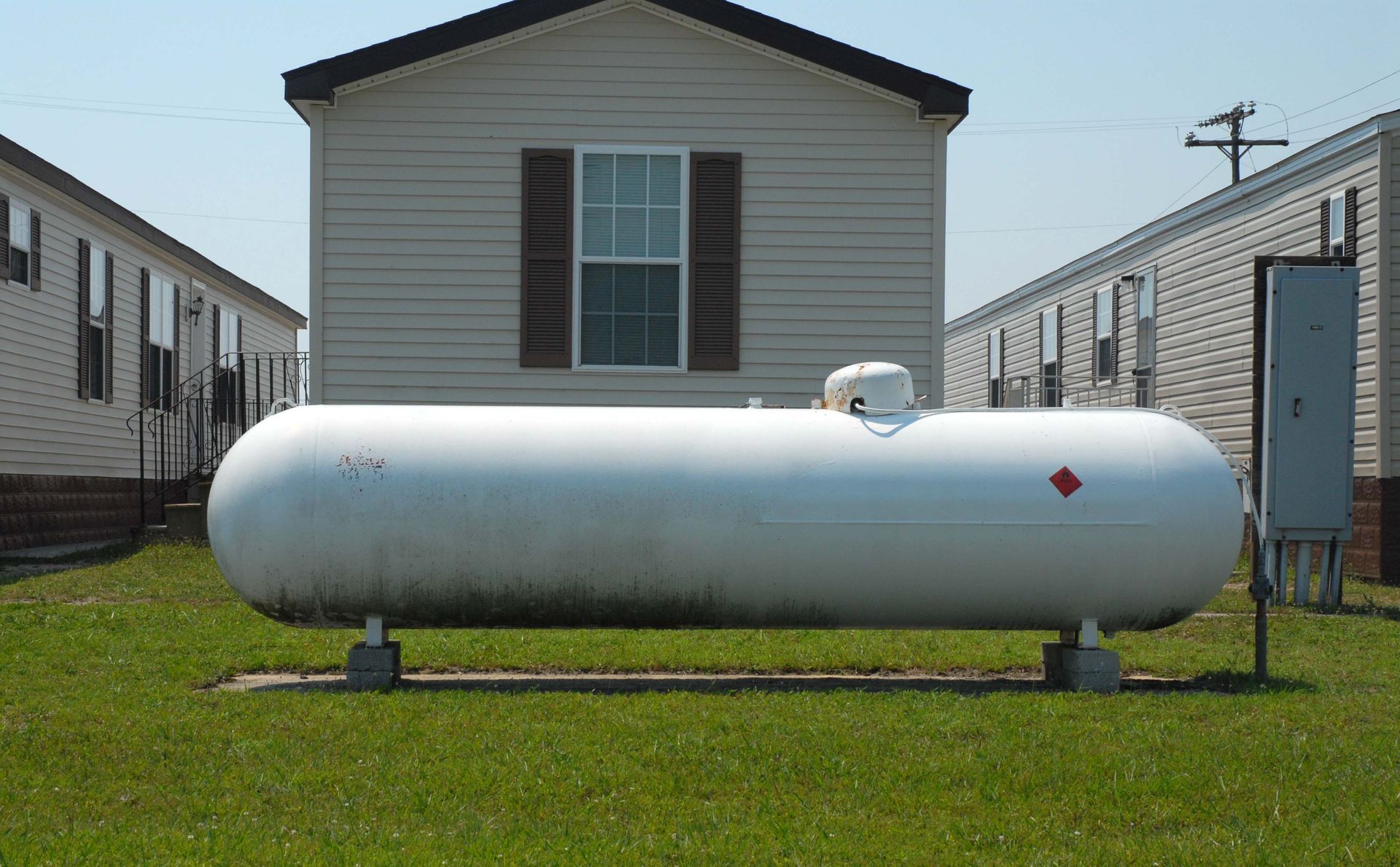
Unlike automotive applications, residential gas vessels are heavily exposed to rain, snow, sun, and changing soil chemistry. For aboveground units, preventing rust is a matter of maintaining the protective exterior coating. Rust can degrade the structural integrity of the metal, leading to dangerous microscopic pits and pinhole leaks.
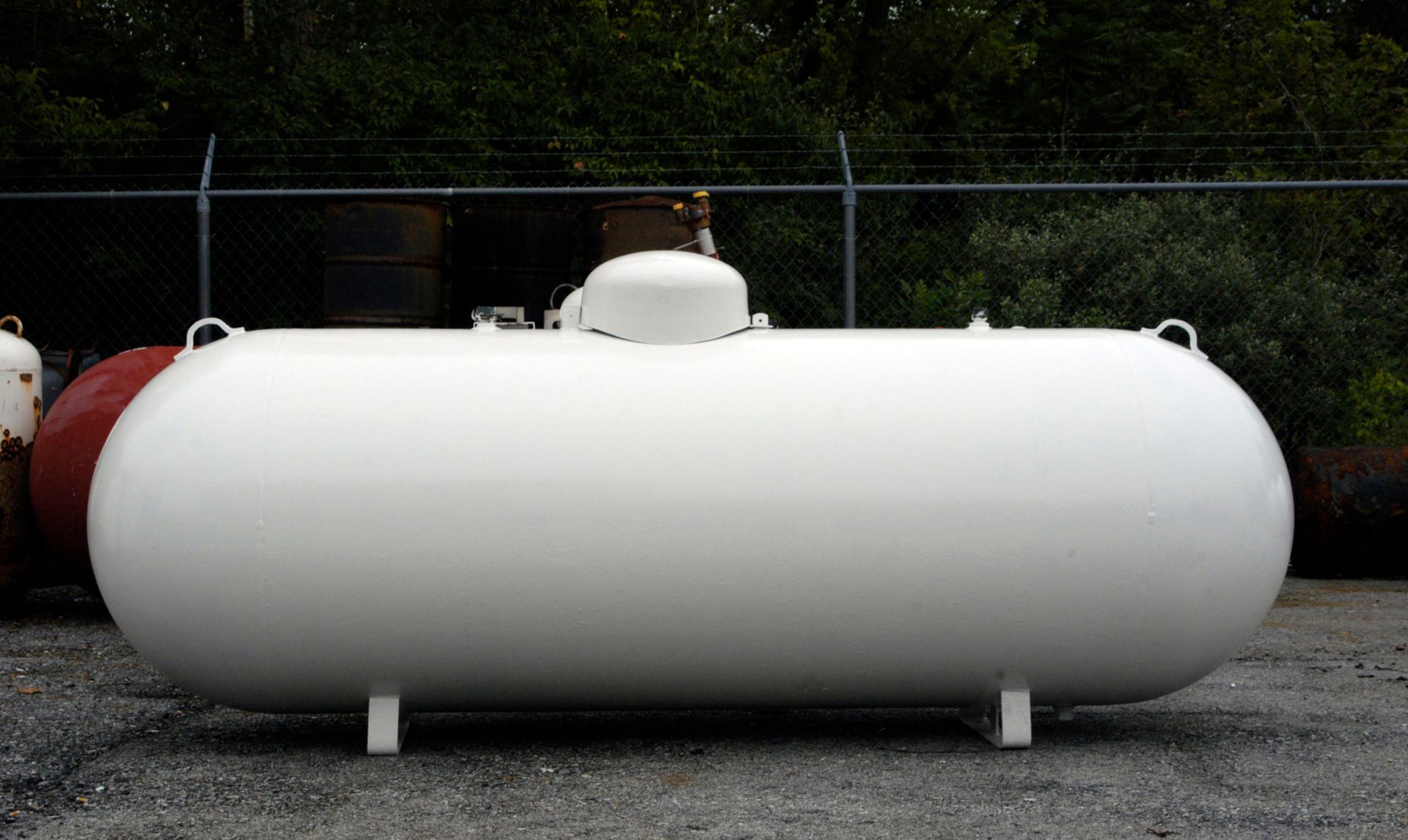
If you notice chipping paint, chalking, or spots of rust on your unit, contact your propane provider to handle the refinishing. Professional maintenance crews use specialized, rust-inhibiting primers and reflective topcoats (usually light gray, white, or silver) specifically designed to deflect solar heat. If you utilize an underground fuel tank, the threat of corrosion comes from the surrounding soil. These buried units must be monitored regularly by professionals using cathodic protection testing, which measures sacrificial anode rods to ensure the underground metal is protected from electrochemical decay.
Utilize Professional Leak Detection Services Periodically
Propane has an incredibly safe track record, but maintaining that safety requires proactive monitoring. While a distinct "rotten egg" odor is added to the gas to alert you to leaks, you should never rely solely on your nose. Slow, underground leaks or leaks in rarely visited spaces like crawlspaces can sometimes go unnoticed.
To guarantee absolute peace of mind, schedule a comprehensive gas line and leak pressure test with a certified technician at least once a year. These professionals use electronic combustible gas detectors, ultrasonic leak locators, and pressure-drop testing to verify the complete sealed integrity of your entire system. If a leak is detected, they possess the specialized tools and safety training necessary to isolate the system, repair the faulty joint, and safely restore your home's power.
Execute Routine Visual Inspections for Clearance
While you should never attempt to service or alter the mechanical components of your system, homeowners do play a vital role in maintaining clear physical boundaries around the area. Make it a habit to routinely look at the perimeter surrounding your gas infrastructure and report any potential hazards to your service provider.
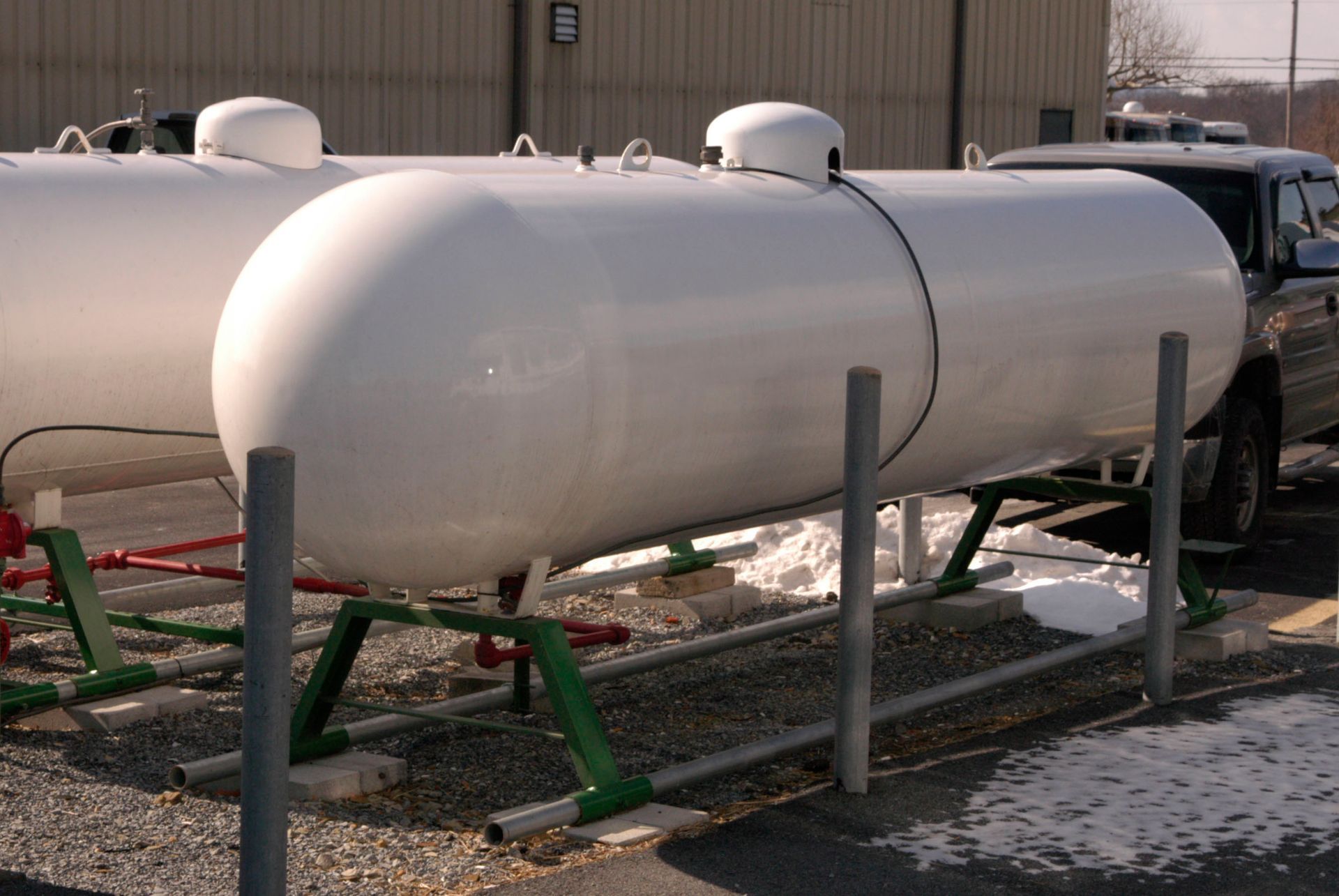
The area around your fuel tank must remain completely clear of overgrown brush, tall weeds, stacked firewood, and debris. Vegetation can trap moisture against the metal shell, accelerating rust, and can block the path of delivery drivers or emergency responders. Furthermore, ensure that the path leading to the unit is free of obstructions. If you live in an area prone to heavy snow, contact your propane company for guidance on how to safely clear snow from the top of the dome without damaging the delicate valves, gauges, and regulators hidden underneath.
Understand the Material Differences in Storage
It is helpful for homeowners to understand the unique characteristics of the containment vessels utilized on their property compared to other common storage solutions. Residential gas systems are engineered to incredibly strict manufacturing standards to withstand immense vapor pressures, which vary wildly based on outdoor temperatures.
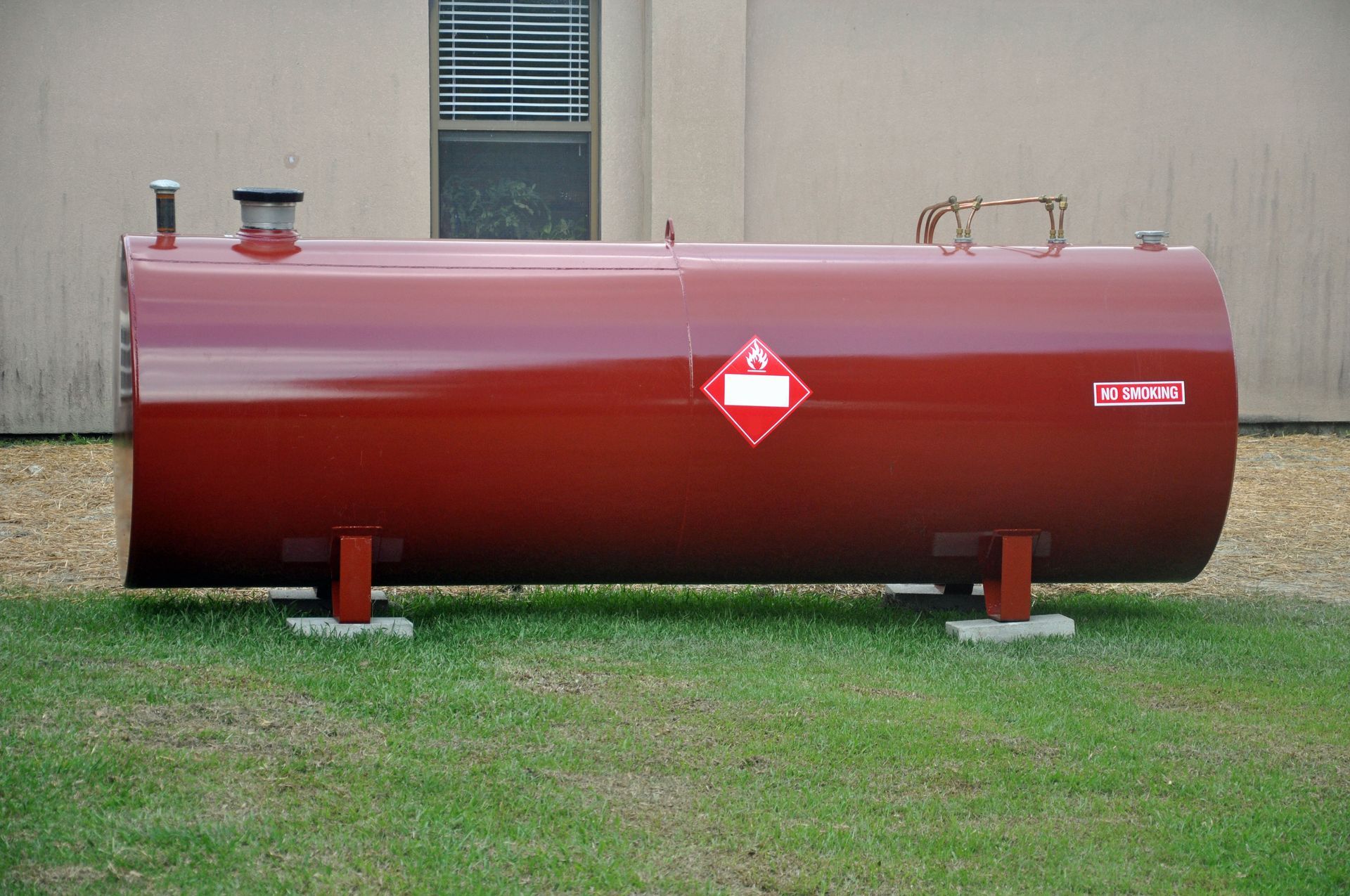
When discussing material durability and safety, context is highly important. For instance, according to Agtegra, a propane gas tank is 20 times more puncture-resistant than a typical gasoline or diesel tank. This extraordinary level of structural resilience is due to the thick, high-tensile carbon steel used in its construction. Because these units are built to such rigorous industrial standards, they require highly specialized handling, proper leveling on stable concrete pads, and professional anchoring to remain secure and operational for decades.
Practice Safe Practices During Home Renovation Projects
Proper care of your home energy infrastructure also involves protecting it during external household upgrades. If you are planning a home renovation project, such as installing a new fence, pouring a concrete patio, landscaping, or digging a trench for a pool, the safety of your gas lines must be your top priority.
Before any shovel hits the dirt, ensure your contractor contacts your local utility locating service to mark all buried lines. Additionally, notify your propane company about the impending work. A professional team can visit your property to precisely map out the underground lines running from the fuel tank to your home. This prevents catastrophic accidental line punctures that could disrupt your heating, result in expensive emergency repair bills, or cause severe neighborhood safety hazards.
If you want to ensure your home or business remains safe, warm, and highly efficient through every season, contact Garrow Oil & Propane today to schedule a comprehensive system inspection, pressure test, and tank maintenance check!









Share On: