What Homeowners Should Know About Propane Gas Delivery
Propane is a widely used fuel for home heating, water heating, cooking, generators, fireplaces, and other household systems. For homeowners who rely on regular deliveries, understanding how the process works can make it easier to avoid interruptions and plan for seasonal changes in energy use. Propane gas delivery involves more than simply filling a tank. Homeowners should know how tank levels are monitored, how delivery schedules are arranged, and what factors can affect fuel consumption.
A dependable delivery routine can help households maintain consistent comfort throughout the year. Understanding tank size, refill timing, safety considerations, and pricing can also make it easier to manage household energy needs. By becoming familiar with the basics of propane gas service, homeowners can make informed decisions about their fuel supply and communicate more effectively with their delivery provider.
Understanding Your Propane Usage
Every household uses propane differently. A home that relies on propane gas for heating, cooking, and hot water will generally consume more fuel than a home that uses it only for a fireplace or range. Household size, weather conditions, appliance efficiency, insulation, and thermostat settings can all influence how quickly a tank empties.
Usage often increases during the colder months when heating systems run more frequently. Homeowners can review previous fuel bills or delivery records to estimate seasonal consumption. Tracking usage over time can make it easier to recognize unusual changes that may point to an appliance issue, a leak, or a shift in household habits.
Knowing your typical usage also helps you select an appropriate delivery schedule. Some households may need frequent winter refills, while others may go much longer between deliveries. Understanding these patterns reduces the risk of running low when demand is highest.
Monitoring Your Tank Level
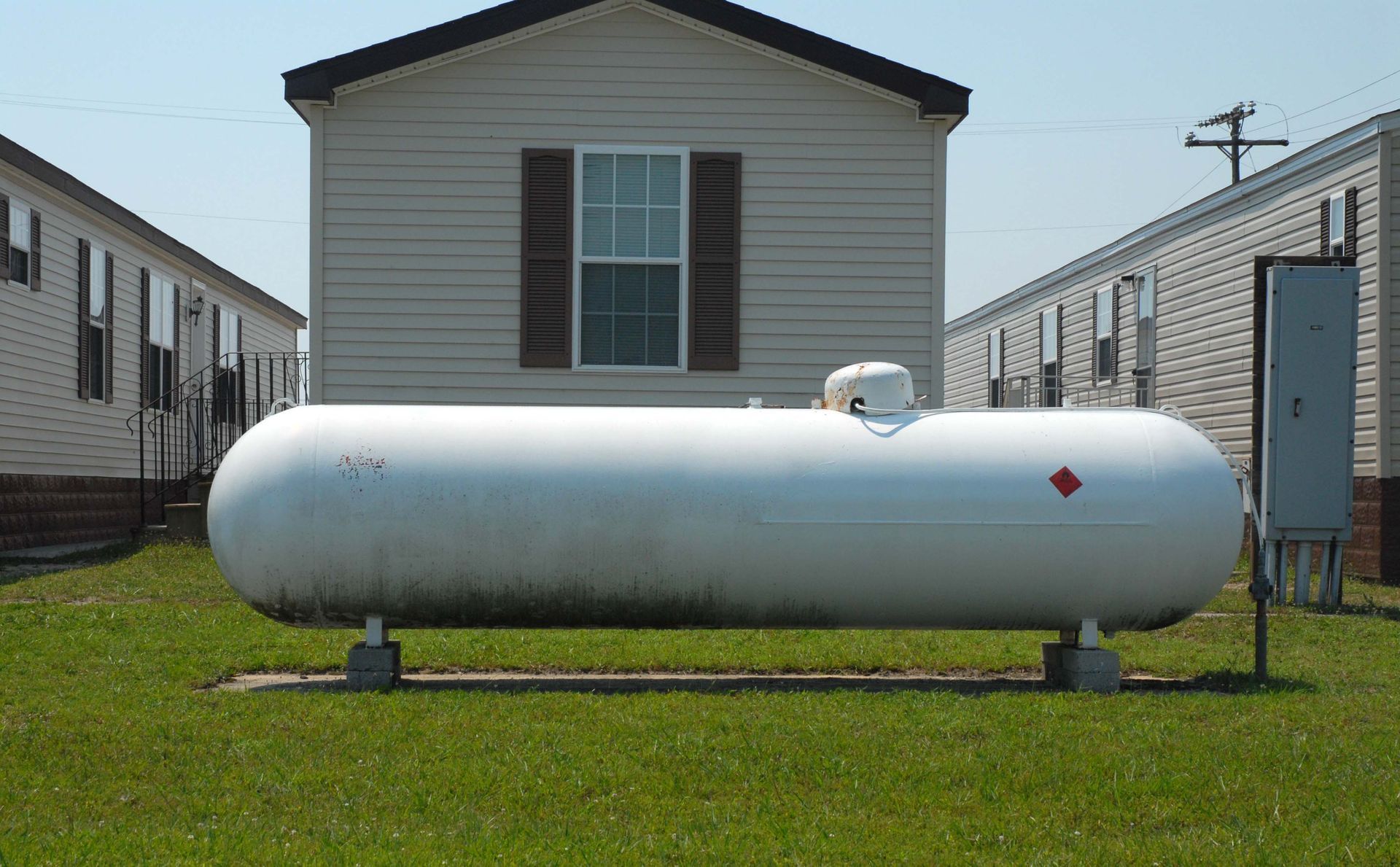
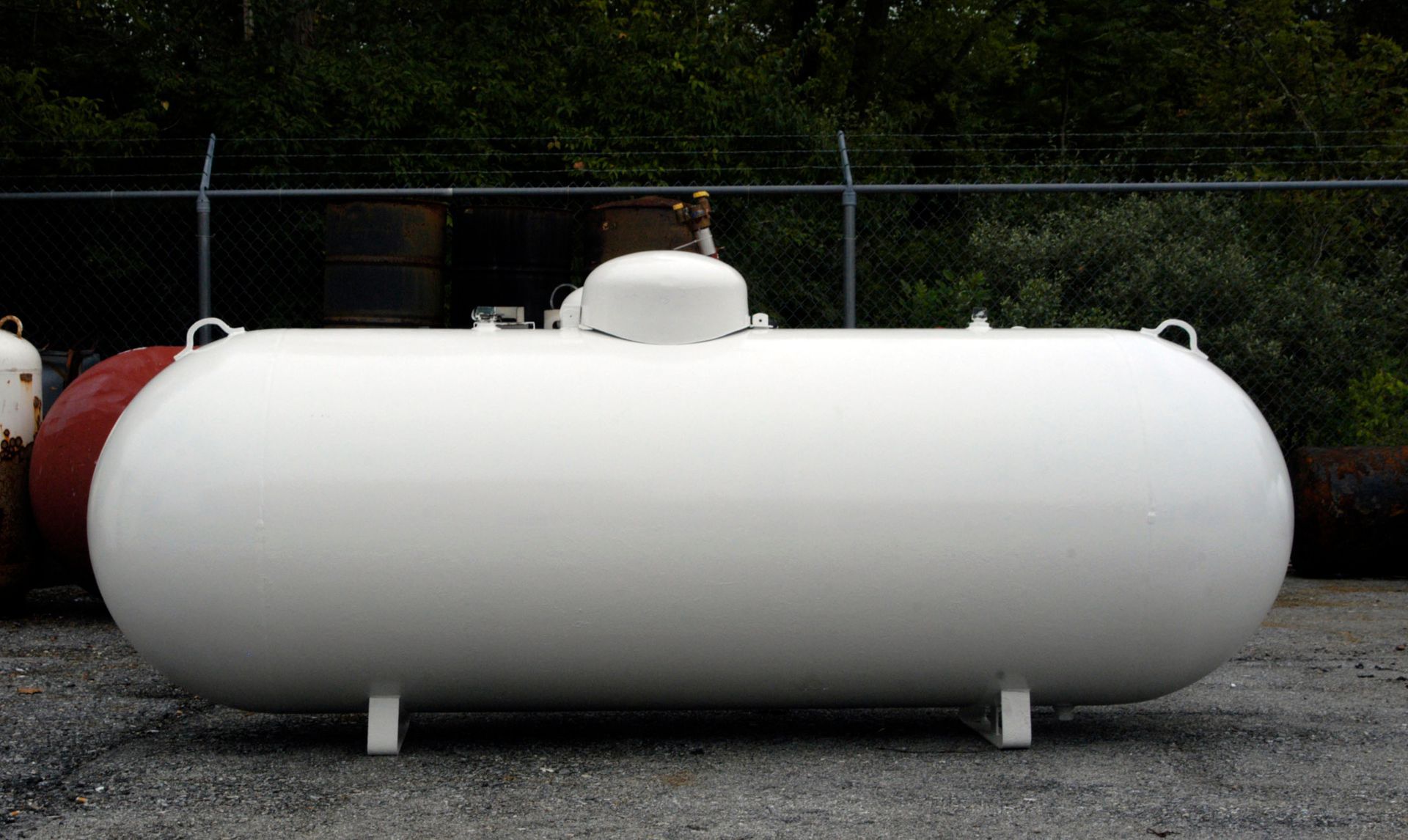
Homeowners should regularly check the gauge on their propane tank, particularly during periods of heavy use. Most residential tanks have a gauge that shows the approximate percentage of propane remaining. Because propane tanks are generally not filled to 100%, a full tank will often read around 80% to allow room for fuel expansion.
It is usually wise to request propane gas delivery before the tank becomes extremely low. Waiting until the gauge is near empty can create unnecessary stress and may increase the risk of running out before a scheduled delivery arrives. Some providers recommend arranging a refill when the level reaches approximately 20% to 30%, although homeowners should follow the specific guidance of their supplier.
Automatic delivery programs may reduce the need for manual monitoring. These programs can estimate usage based on previous deliveries, outdoor temperatures, and other factors. Remote tank monitoring systems can also send updated tank-level information to the homeowner or delivery company.
Planning Around Seasonal Demand
Seasonal demand can affect both fuel consumption and delivery scheduling. Cold weather often increases residential heating needs, which means many customers may require propane gas at the same time. Homeowners who plan ahead can reduce the chance of scheduling difficulties during periods of high demand.
According to East Daley Analytics, propane demand is projected to rise by 5.7% from 2024 to 2025, while domestic demand increased 11% through March 2025 compared with the same period in 2024. This type of demand growth highlights why proactive planning can be important for households that depend on propane during the heating season.
Scheduling a delivery before severe winter weather arrives may also make access easier for the delivery driver. Snow, ice, and blocked driveways can interfere with safe tank access. Keeping a clear path to the tank and monitoring fuel levels before storms can help support reliable service.
Preparing Your Property for Delivery
A delivery driver needs safe, unobstructed access to the propane tank. Homeowners should keep driveways, gates, walkways, and the area surrounding the tank clear. During winter, snow and ice should be removed from the route leading to the tank whenever possible.
Pets should be secured before the delivery vehicle arrives, and gates should be unlocked if access requires entry into a fenced area. Homeowners should also avoid storing equipment, vehicles, trash containers, or other objects near the tank. Clear access allows the driver to work efficiently and reduces potential safety concerns.
If landscaping changes, construction projects, or property improvements affect access to the tank, the propane gas provider should be informed in advance. This gives the company an opportunity to discuss any access limitations before the scheduled delivery date.
Understanding Delivery Options
Propane suppliers may offer several delivery arrangements. Will-call service allows homeowners to monitor their own tank and request a refill when needed. This option can work well for customers who carefully track fuel levels and prefer more control over delivery timing.
Automatic delivery is another common option. With this arrangement, the provider estimates when the household will need propane gas and schedules deliveries accordingly. Automatic delivery can be helpful for homeowners who prefer not to monitor the tank closely or who want to reduce the possibility of running out.
Some providers may also offer tank monitoring technology, budget plans, or payment options that help spread fuel costs across the year. Homeowners should ask what services are available and understand any requirements, fees, or minimum delivery amounts before choosing a plan.
Maintaining Safe Propane Systems
Propane systems require proper maintenance and attention to safety. Homeowners should know where their tank is located, understand how to identify the smell of propane, and avoid attempting repairs on tanks, regulators, lines, or appliances without qualified assistance.
If propane gas is suspected to be leaking, household members should leave the area immediately and contact the appropriate emergency service or propane provider from a safe location. Electrical switches, flames, and other possible ignition sources should be avoided until the situation has been evaluated.
Routine appliance maintenance is also important. Furnaces, water heaters, fireplaces, ranges, and other propane-powered equipment should be inspected and serviced according to manufacturer recommendations. Proper maintenance can support efficient operation and may help homeowners detect problems before they become more serious.
Homeowners should also pay attention to tank condition and the area around it. Vegetation, debris, and standing water should not interfere with the tank, regulator, or delivery connection. Any visible damage, unusual odors, or concerns about equipment condition should be reported promptly.
Managing Your Delivery Service
Good communication with a propane provider can make ongoing service easier to manage. Homeowners should keep contact information current and notify the company about extended travel, changes in household occupancy, new propane appliances, or major changes in fuel use. These details can affect delivery timing and consumption estimates.
It is also helpful to understand how pricing, delivery fees, emergency service, minimum orders, and payment terms work. Asking questions before the heating season begins can reduce confusion when fuel demand increases.
Keeping records of propane gas deliveries can also help homeowners compare seasonal usage and anticipate future needs. Delivery receipts, account statements, and tank readings may reveal patterns that make budgeting and scheduling easier from year to year.
For households that depend on propane for essential systems, preparation is one of the most important parts of maintaining reliable service. Monitoring tank levels, keeping the property accessible, understanding delivery options, and scheduling ahead can reduce the risk of interruptions. With a clear plan and regular communication, homeowners can manage their propane gas supply more confidently throughout the year.
Call Garrow Oil & Propane today to schedule your oil or propane delivery service.












Share On: